Welcome to our December Newsletter!
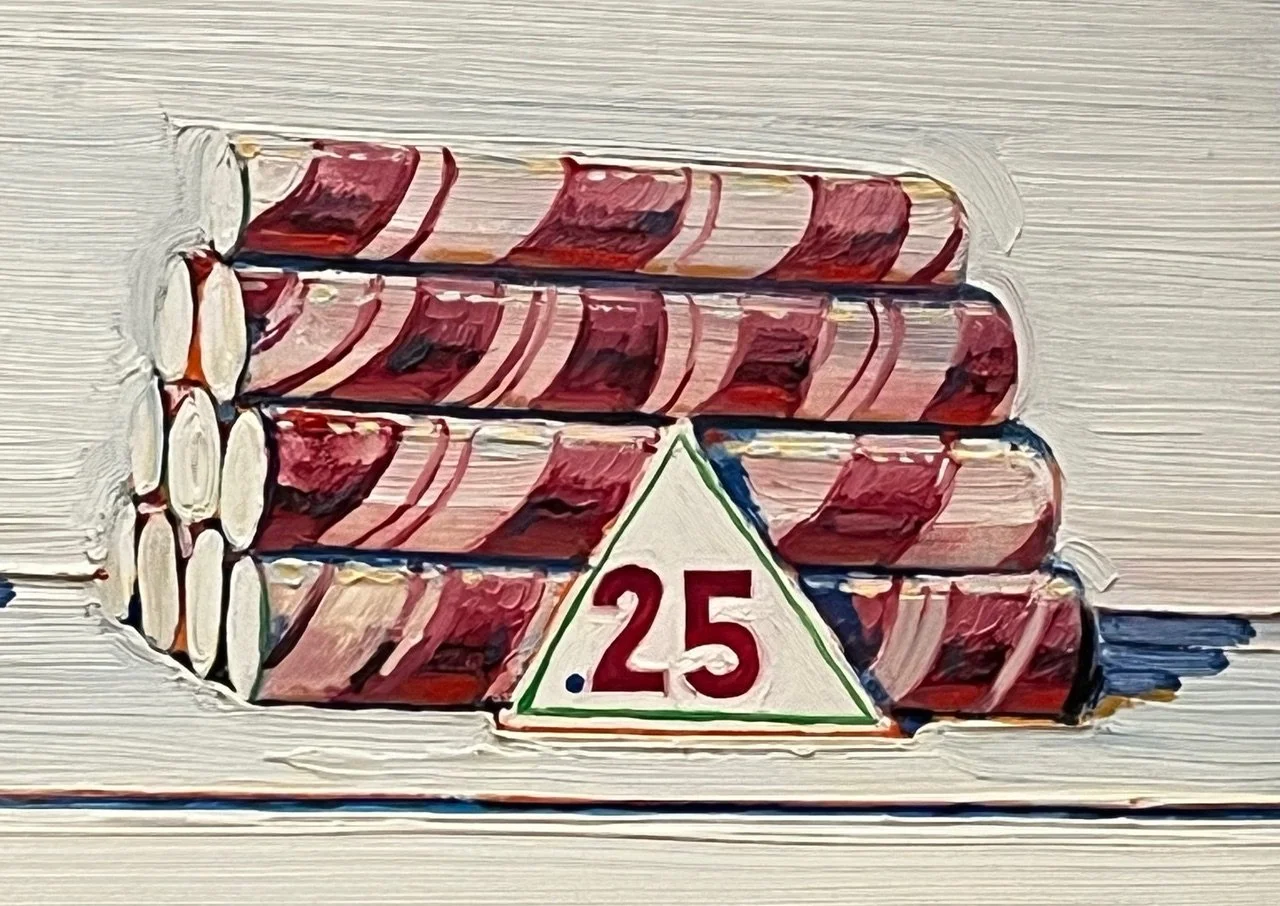
Peppermint Counter, 1963; Wayne Thiebaud Foundation
As 2025 wraps up, Sarasa feels incredibly lucky to be so well supported by our large community of music enthusiasts, friends, colleagues, families, and board members. We experienced a resolve to counteract biased targeting of the arts during this year of unprecedented upheaval, by embracing even more resoundingly the music programming at Sarasa's public concert series and our ‘Music Unlocked’ presentations & residencies with incarcerated teens. Our loyal audiences and many friends from around the globe have made a huge impact with financial and encouraging support, a real blessing during extremely challenging times. For this we cannot thank you enough!
RING IN THE NEW YEAR WITH SARASA!
Why not celebrate the start of 2026 with Sarasa’s concert-set ‘Patron Lobkowitz’? Bring along a family member or some friends! You can hear some stunning chamber music for strings, patronized by and dedicated to Lobkowitz. Save the weekend of January 9-11 for some uplifting music.
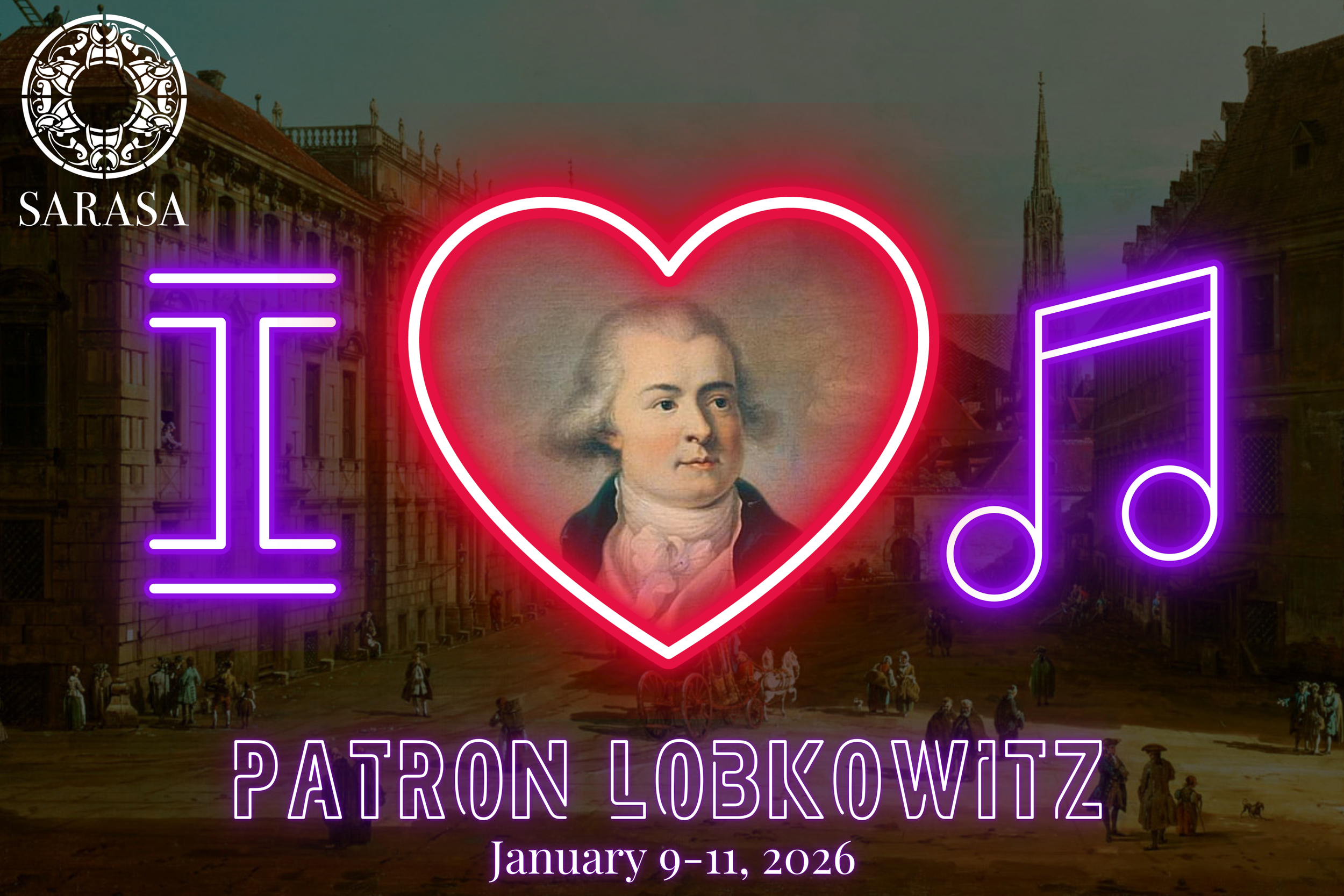
Friday, January 9, 2026 at 7pm at Brattleboro Music Center, Brattleboro VT (tickets at bmcvt.org)
Saturday, January 10, 2026 at 7pm at Friends Meeting House, Cambridge
Sunday, January 11, 2026 at 3:30pm at Follen Church, Lexington
“This Prince was as kindhearted as a child and the most foolish music enthusiast. He played music from dusk to dawn and spent a fortune on musicians. Innumerable musicians gathered in his house, whom he treated regally.” Chamber music by Haydn, Beethoven & Förster, patronized by and dedicated to Lobkowitz.
With Jesse Irons, Julia Glenn, violins; Anna Griffis, Emily Dahl, violas; Timothy Merton, Jennifer Morsches, cellos
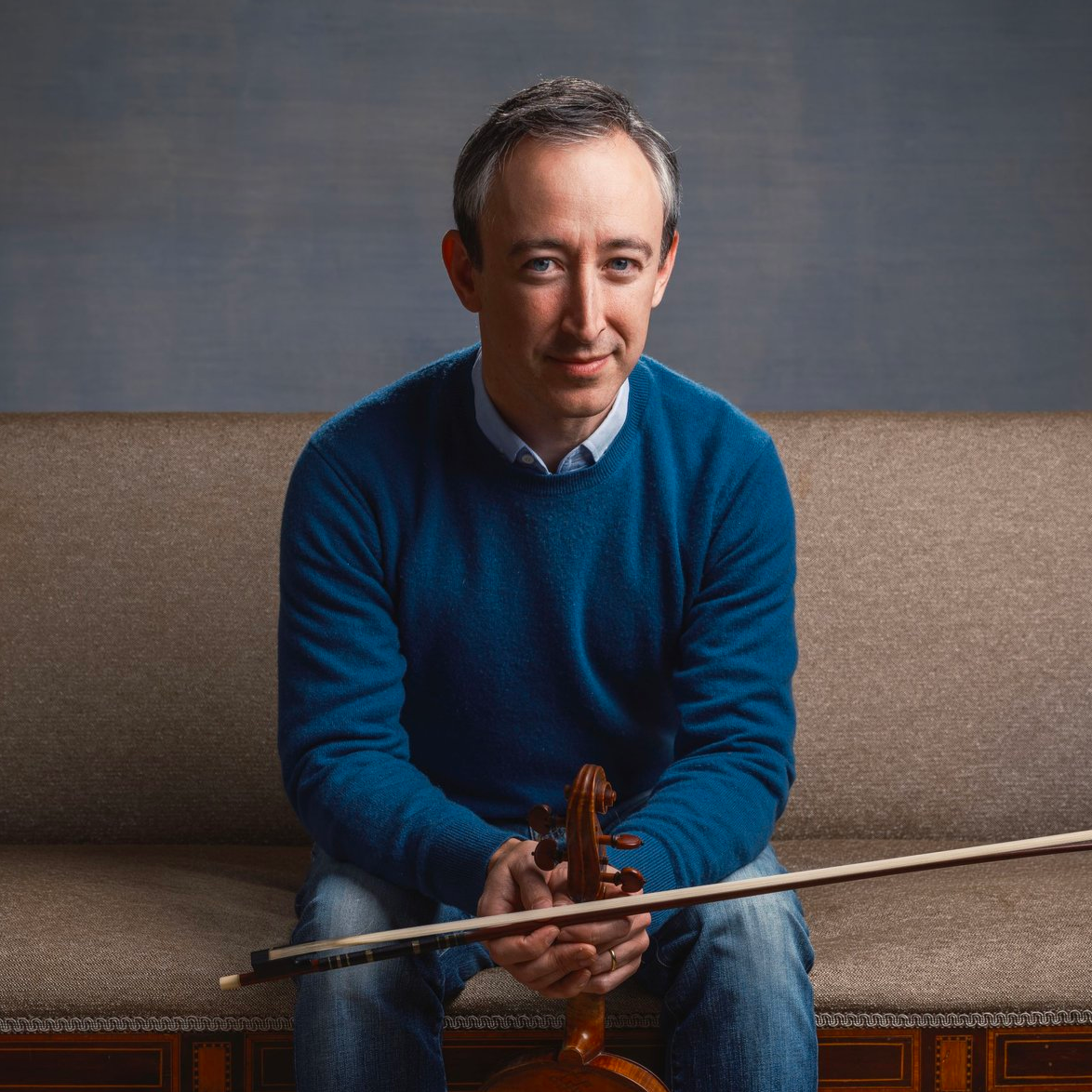

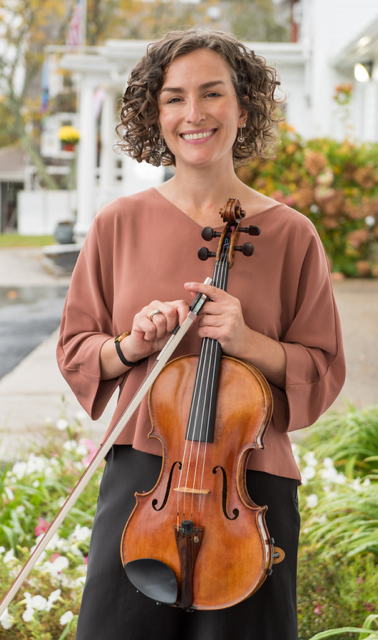
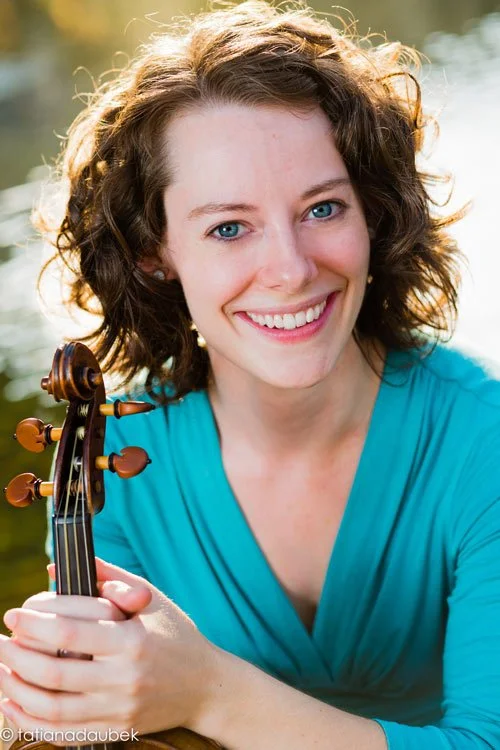


up close: Lobkowitz
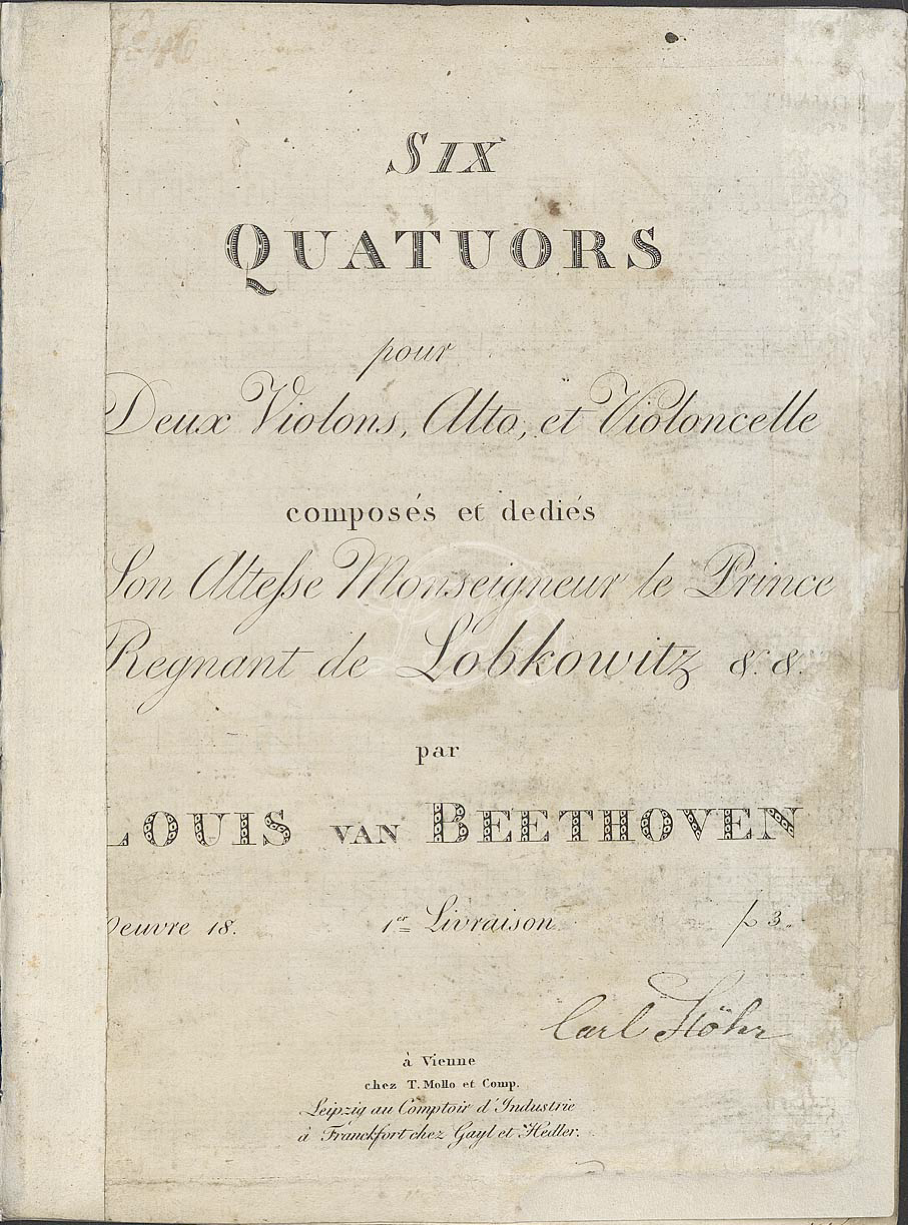
Beethoven Op. 18 String Quartets, 1st ed., dedication page to Lobkowitz
Prince Joseph Franz Maximilian Fürst von Lobkowitz (1772-1816), was a music enthusiast who spurred on the genius of the likes of Joseph Haydn, Ludwig van Beethoven and Emanuel Aloÿs Förster. Hailing from a Bohemian noble family, dedicated patrons of the arts — especially in music, the prince was trained as a bass singer, played the violin and the cello, and was one of the most important music supporters in Vienna from 1797-1814. The Lobkowitz accounts show huge quantities were spent on art, books, instruments, and musical scores. The prince employed several copyists to make hundreds of copies of the works of Haydn, Mozart and Beethoven, ensuring their circulation. At his Vienna palace, he constructed a hall large enough to seat a 24-piece orchestra. His benevolence was not lost on the musicians he patronized; dedications to Lobkowitz abounded, including the following works: Haydn’s Op. 77 string quartets, Beethoven’s Op. 18 string quartets, the “Eroica” Symphony, the Triple Concerto, the 5th & 6th Symphonies, the “Harp” Quartet, Op. 74, and An die ferne geliebte song cycle.
“ALL THE WORLD’S A STAGE”
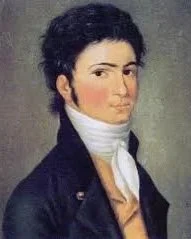
Beethoven
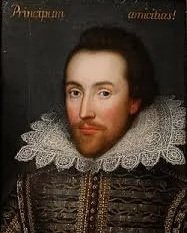
shakespeare
did you know?
Ludwig van Beethoven’s first foray into the medium of string quartets was at the invitation of Prince Lobkowitz, who asked him to compose a set of 6 quartets in 1798. As a fairly recent newbie on the Viennese music scene, Beethoven was all too aware of the looming figures of Haydn and Mozart, and their expertise in that genre. For his Op. 18 No.1 in F major String Quartet, featured on Sarasa's January concert-set, Beethoven wrote two versions. The earlier version he sent to his friend and confidante Karl Amenda, asking him not to publicize its creation as he was in still in the midst of revising it, a clear sign of Beethoven’s ultra high sense of self-criticism. The piece's second movement, Adagio affettuoso ed appassionato, has all the hallmarks of a burnishing genius. With its eloquence, beauty, depth of emotion, painful dissonances and ultimate release, Beethoven dramatically enlarged the scope and range of expression in string quartet writing. Interestingly, in his sketchbook for the slow movement, Beethoven jotted down some lines (in French) taken from the burial vault scene of Shakespeare’s Romeo and Juliet. Long pauses and the halting, repeated throbbing of accompanying eighth notes in the score add a visceral dimension to the music representing Romeo’s approach to Juliet’s tomb and his decision to ultimately join her. Thankfully the ensuing Scherzo movement is jovial and lively enough to alleviate the previous tragic scene.
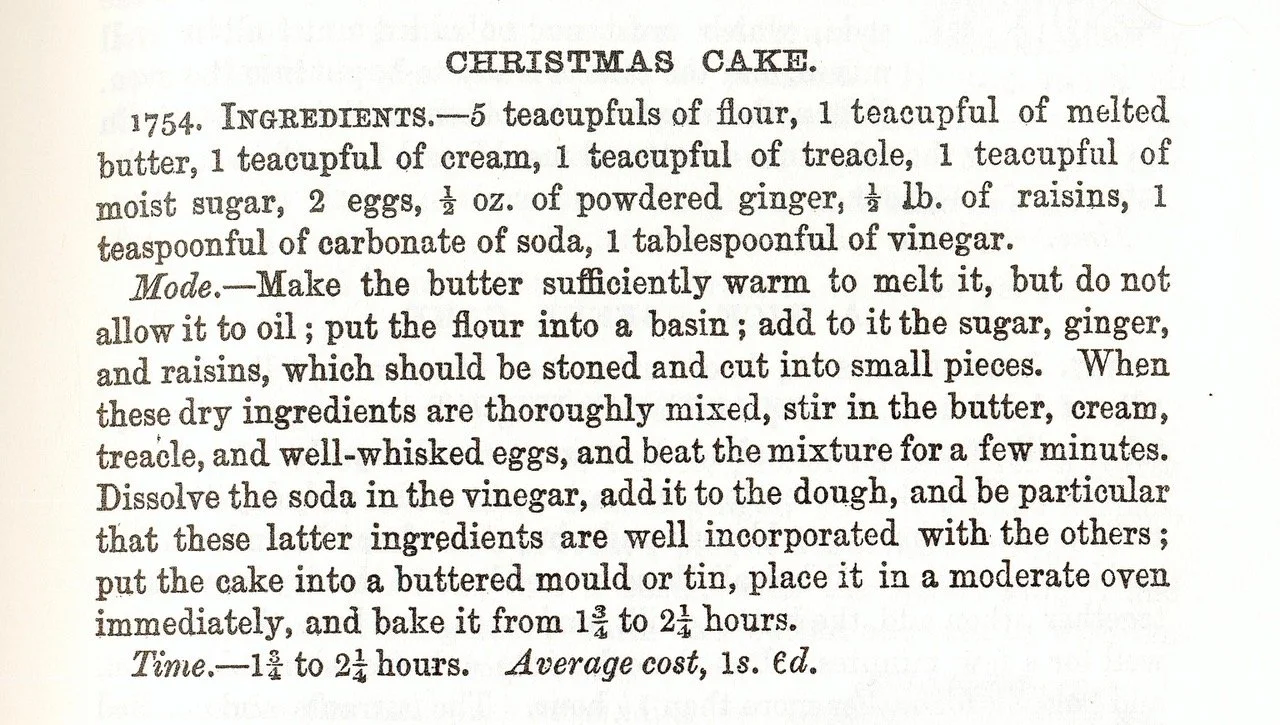
Christmas puddings ~ too many to choose from!
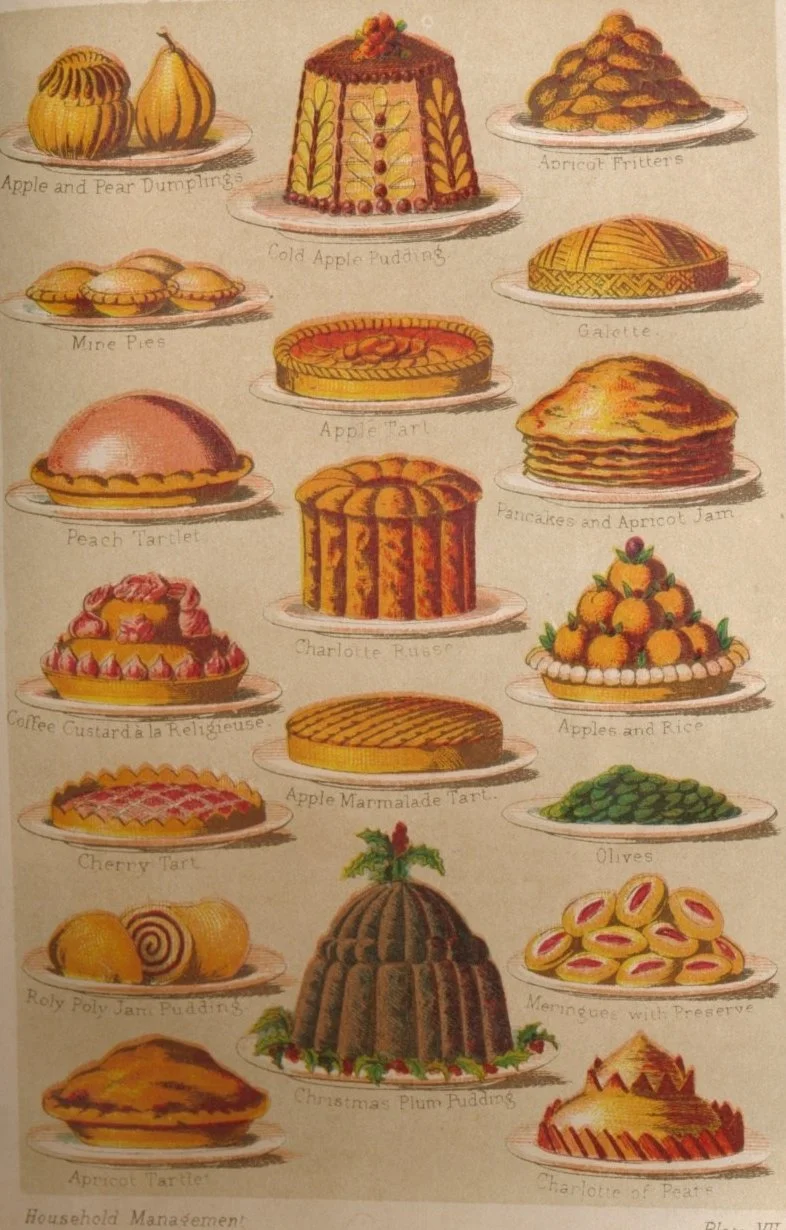
from Mrs. Beeton’s Book of Household Management (1861)