Welcome to our January Newsletter!
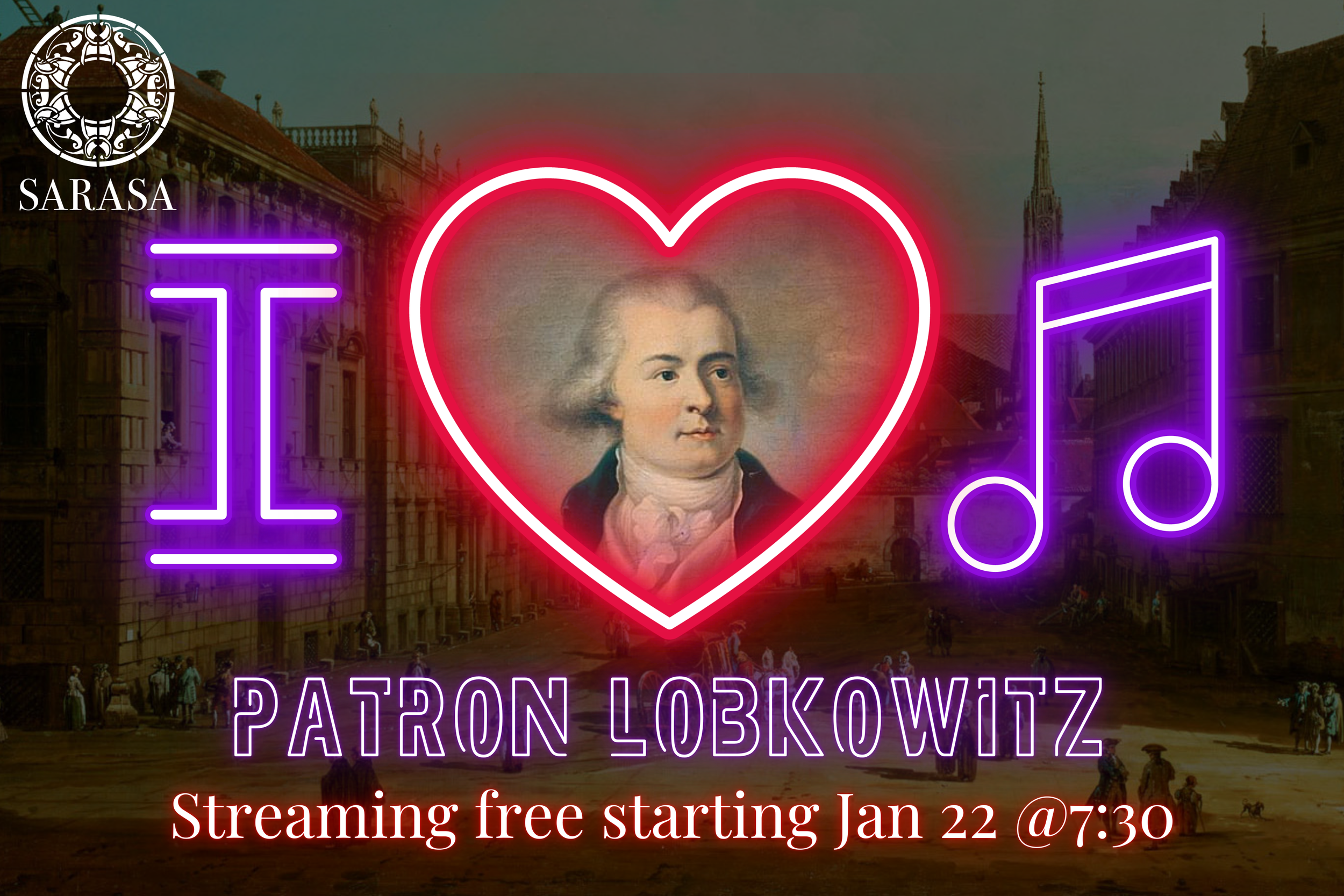
Sarasa was very happy to share a wonderful weekend of music recently with our program ‘Patron Lobkowitz,’ designed in part as a celebration of all of our benefactors and supporters who make our dual mission possible! We had full capacity audiences at all three venues, and were really excited to welcome our returning loyal fans as well as many newcomers. The program highlighted works that were directly related to the Classical era music enthusiast and patron of the arts, Prince von Lobkowitz (1772-1816).
You will have a chance to revisit this delightful chamber music for strings by Haydn, Beethoven, and Förster starting Thursday, January 22, 2026 at 7:30pm when our live-recorded program begins streaming on our website and YouTube channel. Please do share with your friends and family!
NExt up
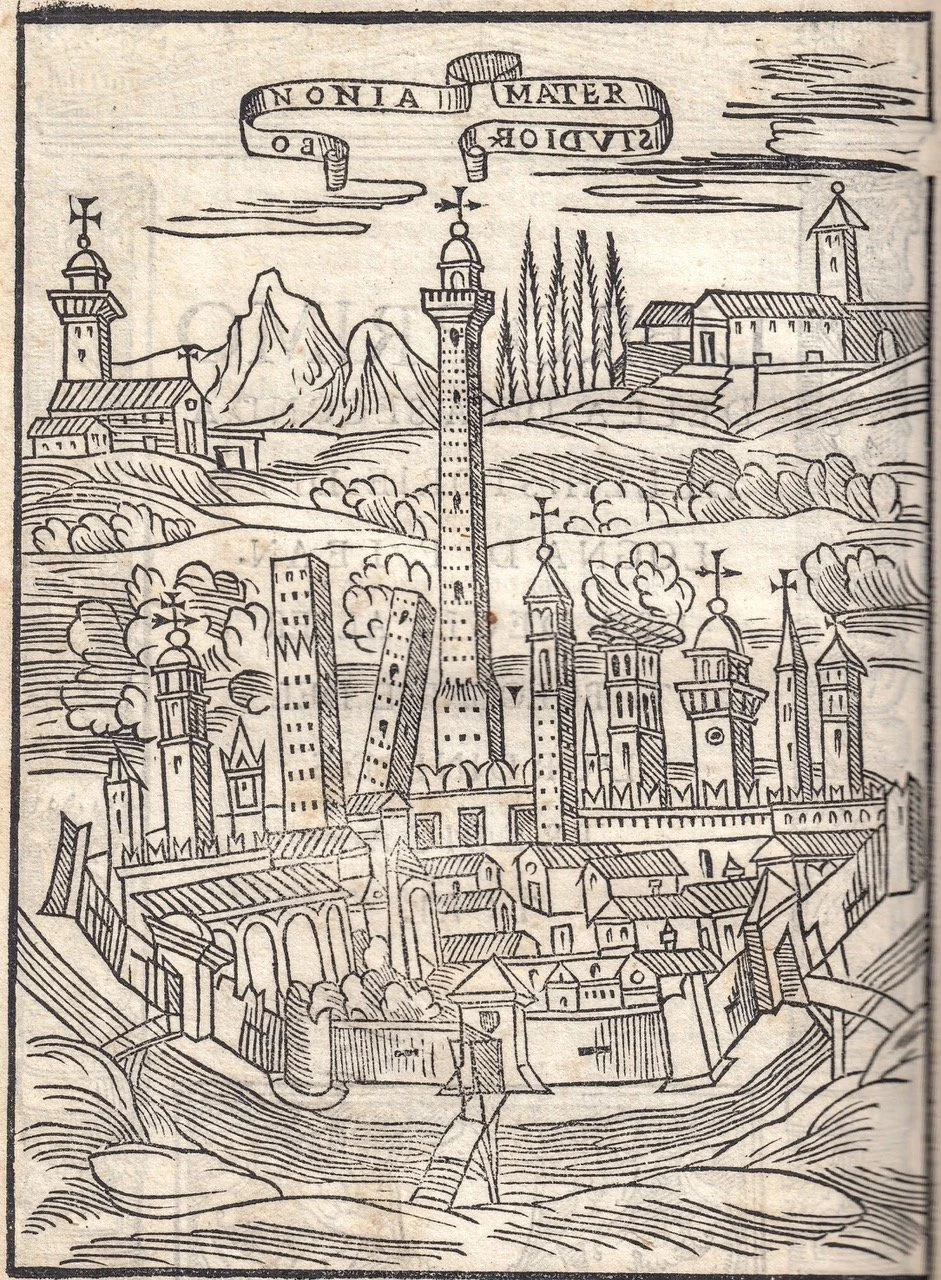
from Historie di Bologna
For our next concert-set, we invite you to travel back in time to 17th-century Bologna, the north Italian city which hosted a hotbed of pioneering instrumentalists and composers, giving rise to the development of musical form and artistic expertise. Not only famous for its ragú sauce, Bologna made a lasting impression on Baroque instrumental music thanks to a convergence of three synchronistic events. The prolific composer Maurizio Cazzati (1616-1678) arrived in Bologna from Mantua in 1657, and single-handedly inspired a new generation of instrumentalist-composers. Alongside this bubbling pot of musical creativity, a huge rise in music publishing took the city by storm, by which an abundance of music (such as sonatas, dances, concertos) was eagerly adapted for a wide variety of use: at elaborate church rituals, opulent public and private celebrations, and for learned societies’ meetings. Two venerable institutions also helped bring this music to the foreground of public life — at the cathedral of San Petronio, Bologna’s patron saint, and with the founding of the Accademia Filarmonica di Bologna in 1666.
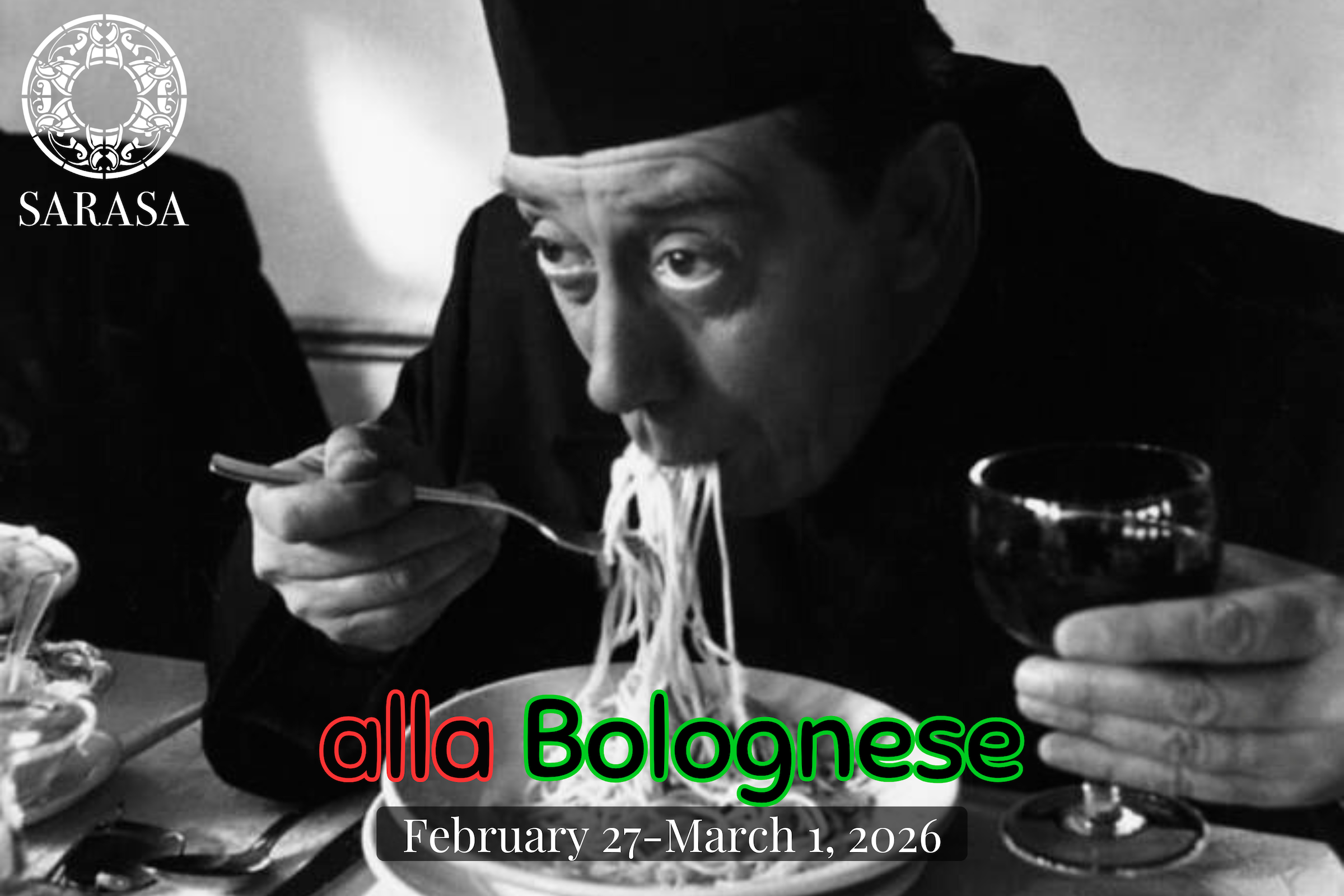
Friday, February 27, 2026 at 7pm at Brattleboro Music Center, Brattleboro VT (tickets at bmcvt.org)
Saturday, February 28, 2026 at 7pm at Friends Meeting House, Cambridge
Sunday, March 1, 2026 at 3:30pm at Follen Church, Lexington
Not only renowned for its famous ragù, Bologna was the hotspot for many pioneering 17th-century musicians who paved the way for the flowering of instrumental music in Europe. Works for cornetto, violin, cello and organ by Isabella Leonarda, Cazzati, Arresti, Gabrielli, Bononcini, Torelli, Piccinini, Ferrari & Montalbano.
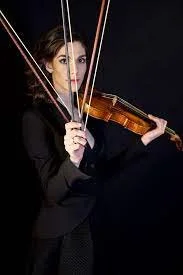
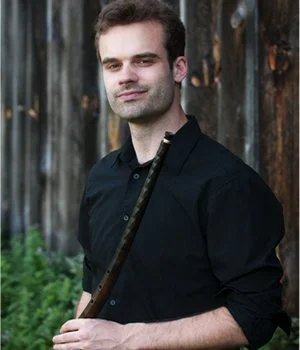
With Elicia Silverstein, violin; Nathaniel Cox, cornetto/theorbo/guitar; Jennifer Morsches, cello; John McKean, organ

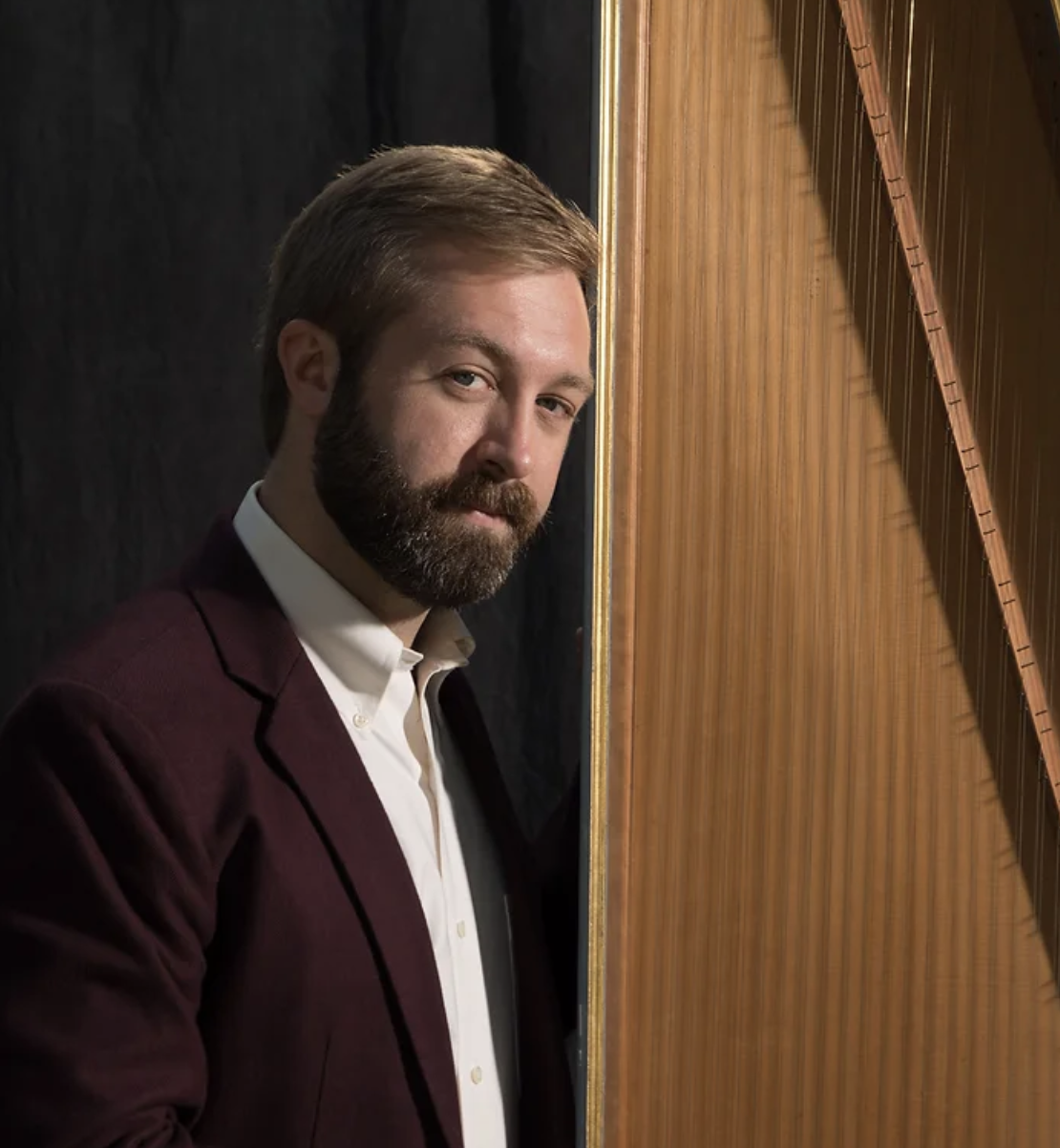
Music publishing in bologna
Some wonderful examples of the kinds of music publishing taking place in Bologna from 1657-1710:
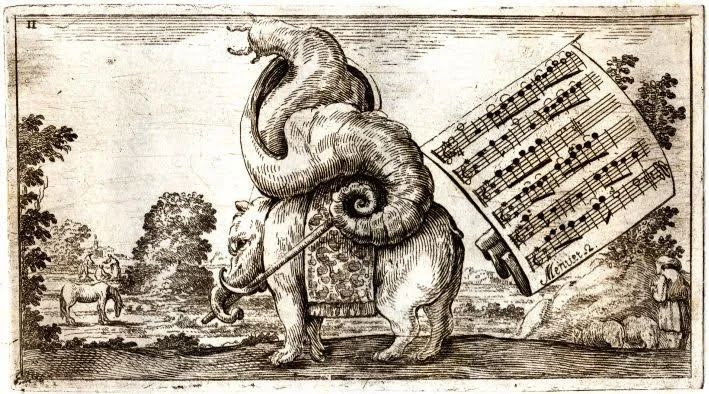
Menuetti, Sarabande, et varij Caprici di Carlo Buffagnotti, end of 17th century
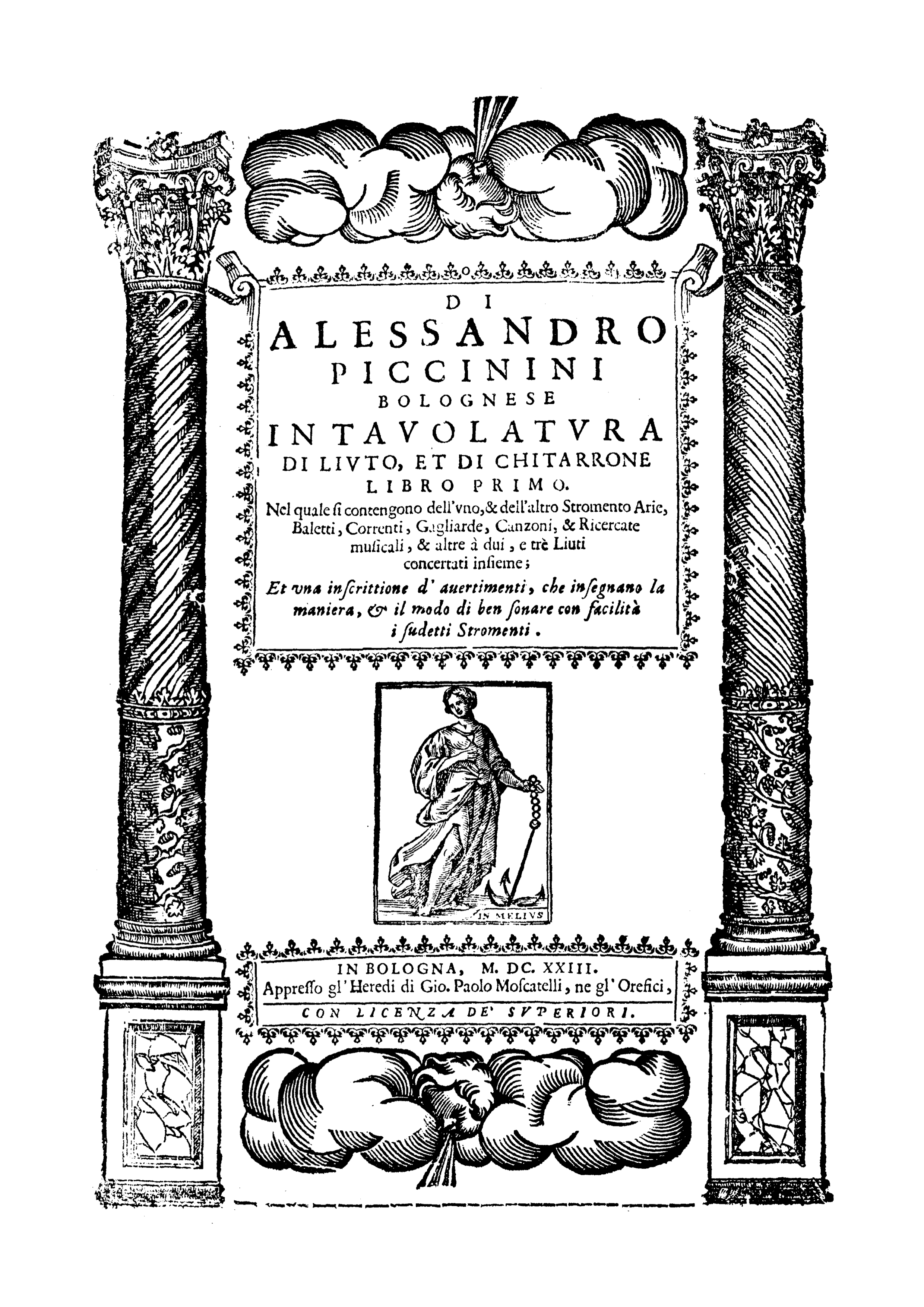
Frontispiece from Piccinini’s Intavolatura di liuto et di Chitarrone, Bologna 1623
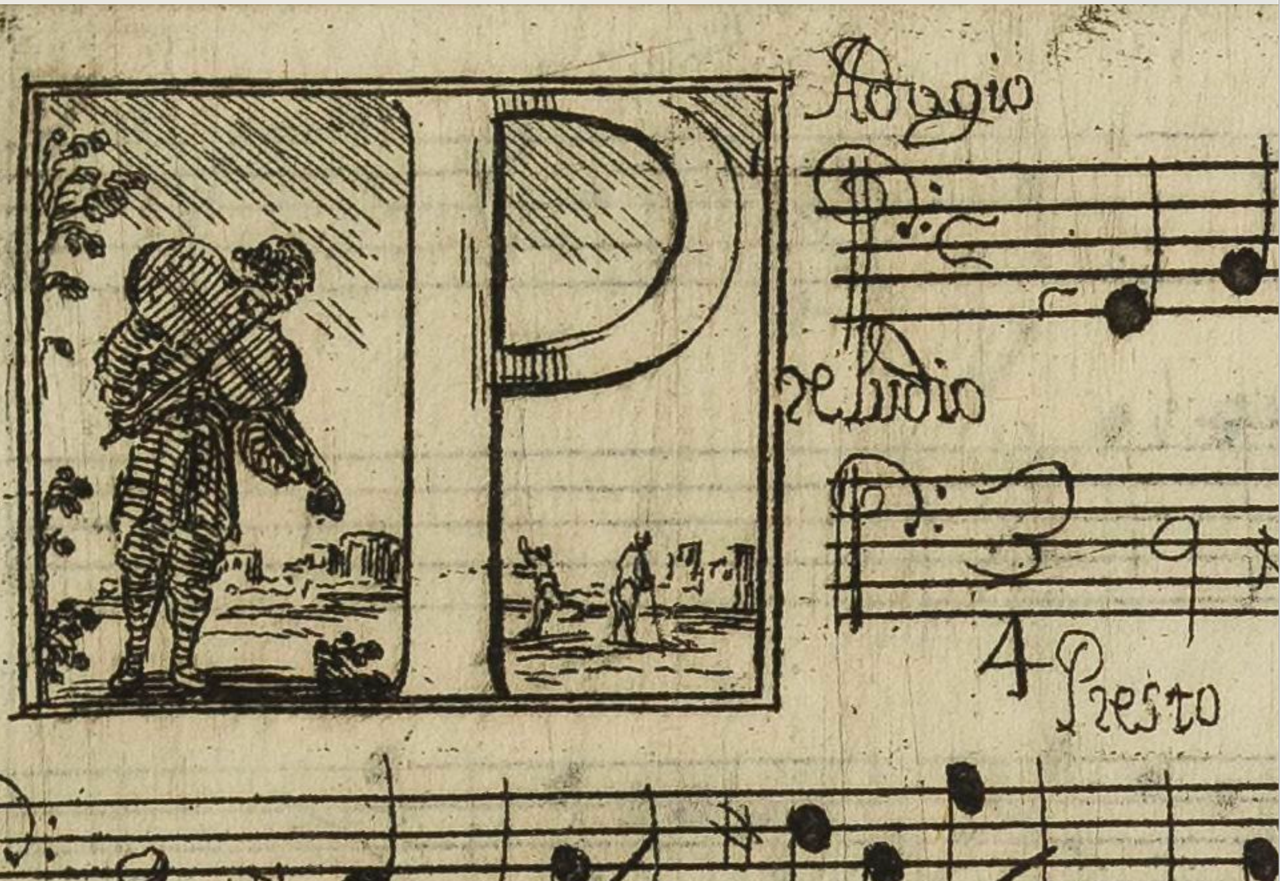
Partbook for violoncello from Torelli’s Concertino per camera, Op. 4 (ca. 1695)
listening corner
Catch the glorious sounds of 17th-century Bologna in this version of Maurizio Cazzati’s Passacaglia from Trattenimenti per camera, Op. 22 No. 13:
‘Music Unlocked’ news
Robert Fitzgerald Kennedy, who would have been 100 in 2025, said:
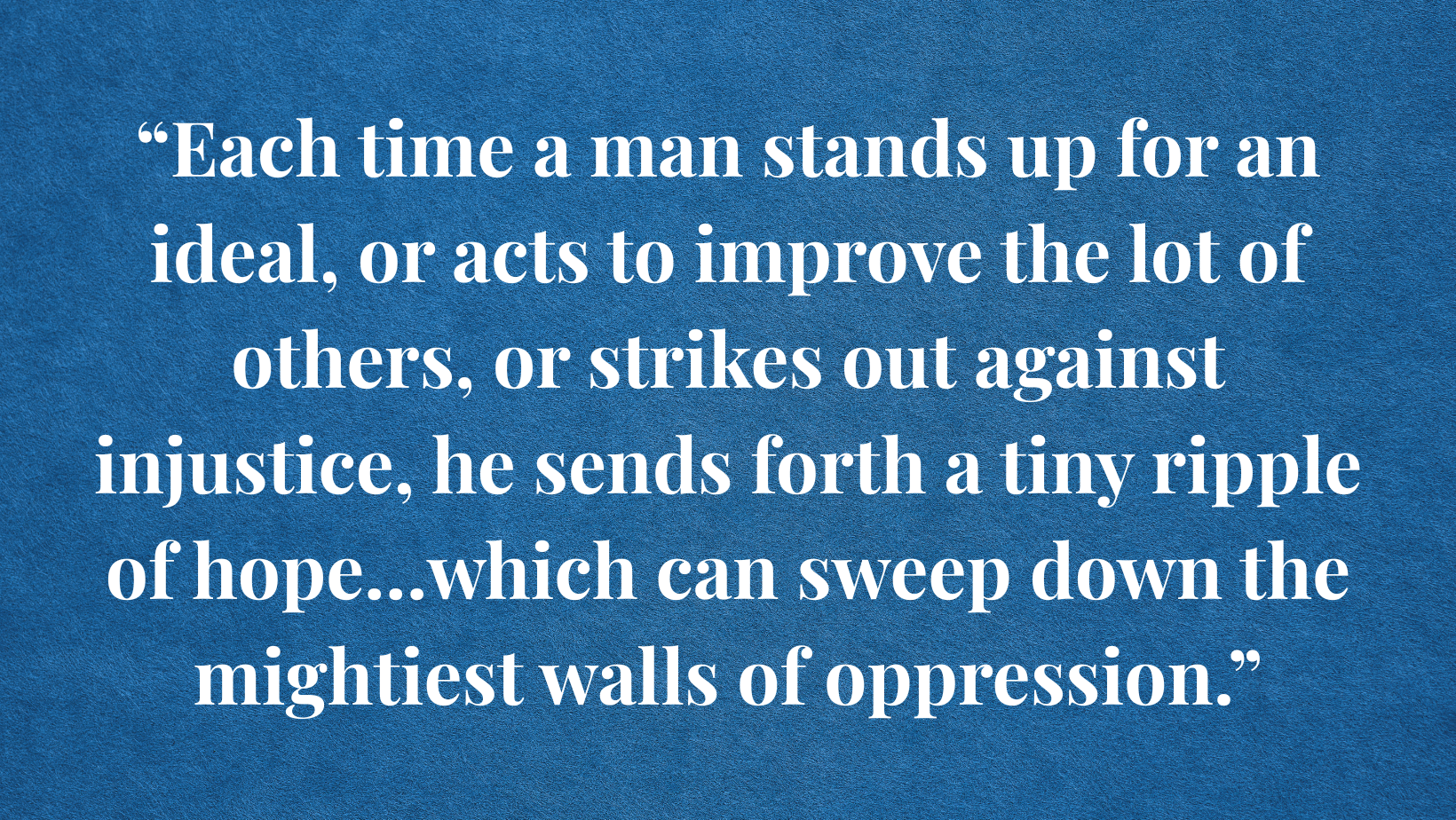
Sarasa visited two juvenile lock-up facilities with our January program, performing selections from all three works at Northeast Detention and the Kennedy School in Middleton, MA. The Kennedy School detention facility is underwritten by the RFK Community Alliance, and Sarasa is grateful to have grant support from the Middleton Cultural Council for this work. Both groups of young men listened intently to the music, asked many excellent questions, and showed a great deal of respect towards the musicians as well as their peers and the staff.
These youth understood how music can tell a story, or remind one of a memory, or maybe a mood. They especially loved the slow movement of the Beethoven string quartet— one offered that the silences in the music created “anticipation.” Several were at the edges of their seats while they listened. During the presentation, one of the teens "played" the music with his hands and bopped his head along with total understanding of the music’s rhythm and atmosphere. The most amazing thing is how encouraging these young men are towards Sarasa musicians, and that they ask us to come back.
Recipe Corner
What is your recipe for Bolognese sauce? Share with us your ideas at the next concert-set!
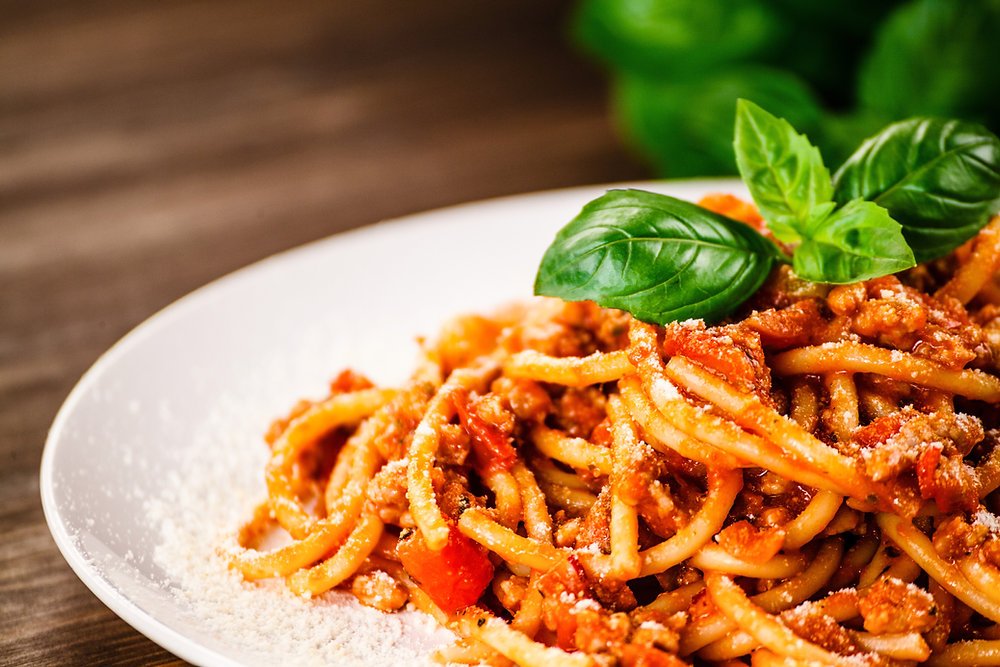
For those interested, here is the “official” recipe for ragú alla bolognese from the ACCADEMIA ITALIANA DELLA CUCINA:
Traditional Bolognese sauce (Ragù alla Bolognese)
Serves 6
• Coarsely ground beef (see note): 1 lb (400g)
• Fresh pork pancetta, slices: 6 oz (150g)
• ½ onion, peeled: about 2 oz (60g)
• 1 medium carrot, peeled: about 2 oz (60g)
• 1 celery stalk, trimmed: about 2 oz (60g)
• ½ cup (1 glass) of red or white wine
• Strained tomatoes: 7 oz (200g)
• Tomato paste (double-concentrated): 1 tbsp
• ½ cup (1 glass) of whole milk (optional)
• Light meat or vegetable broth (or stock cubes)
• Extra virgin olive oil: 3 tbsp
• Salt and pepper
Preparation:
In a heavy non-stick 10-inch casserole pan (or enamelled cast-iron Dutch oven), melt the ground or chopped pancetta with olive oil. Finely chop the onion, celery, and carrot (do not use a food processor); add the vegetables to the oil and pancetta and cook over low heat, stirring constantly with a wooden spoon until softened but not browned. Raise the heat to medium and add the meat, break it up, then cook for about ten minutes, always stirring, until it sizzles and browns. Add the wine; cook over medium heat until it has completely evaporated. Add the tomato paste and purée. Mix well; add a cup of boiling stock (or water) and simmer, covered, for about 2 hours (or 3 depending on preference and type of meat), adding hot broth (or water) as needed. Add any milk (traditionally used) half way through the cooking; allow to evaporate completely. Season with salt and pepper before serving. When ready the sauce will be a rich maroon hue, thick and glossy.
Note: Traditionally, in Bologna hanger or skirt steak is used (the diaphragm of the beef, which is difficult to find today). In lieu or in addition, favour anterior cuts, rich in collagen, such as shoulder or chuck, brisket, plate or flank. Combinations are acceptable, as is the modern technique of browning the meat separately and then adding it to the softened minced vegetables in the pan.
Permitted variants:
• Mixed beef and pork (about 60% beef)
• Meat minced with a knife
• Cured pancetta instead of fresh pancetta
• A pinch of nutmeg
Unacceptable variants:
• Veal
• Smoked pancetta or bacon
• Only pork
• Garlic, rosemary, parsley or other herbs and spices
• Brandy instead of wine
• Flour as a thickening agent
Ragù alla bolognese can be enriched with:
• Chicken livers, hearts and gizzards
• Peeled and crumbled pork sausage
• Blanched peas, added at the end of cooking
• Dried porcini, rehydrated