
Welcome to our February Newsletter!
Agnolo Bronzino, An Allegory with Venus and Cupid, c. 1545, National Gallery, London, UK. Detail.
It’s been an especially cold winter thus far, and we hope everyone has been staying warm and safe, as well as enjoying some fun snow days! Sarasa is delighted to be preparing for its next concert-set, alla Bolognese, a program that focuses on the numerous pioneering instrumentalist-composers who took Bologna by storm (and neighbouring cities Modena and Ferrara) during the seicento (17th century). Names such as Montalbano, Piccinini, Arresti, Cazzati, Gabrielli, the Bononcini brothers, or Isabella Leonarda may be unfamiliar to many, but their compositions and excellent playing heralded a flowering of instrumental music in Europe, leaving a sense of unbridled discovery and pushing new possibilities in technical feats.
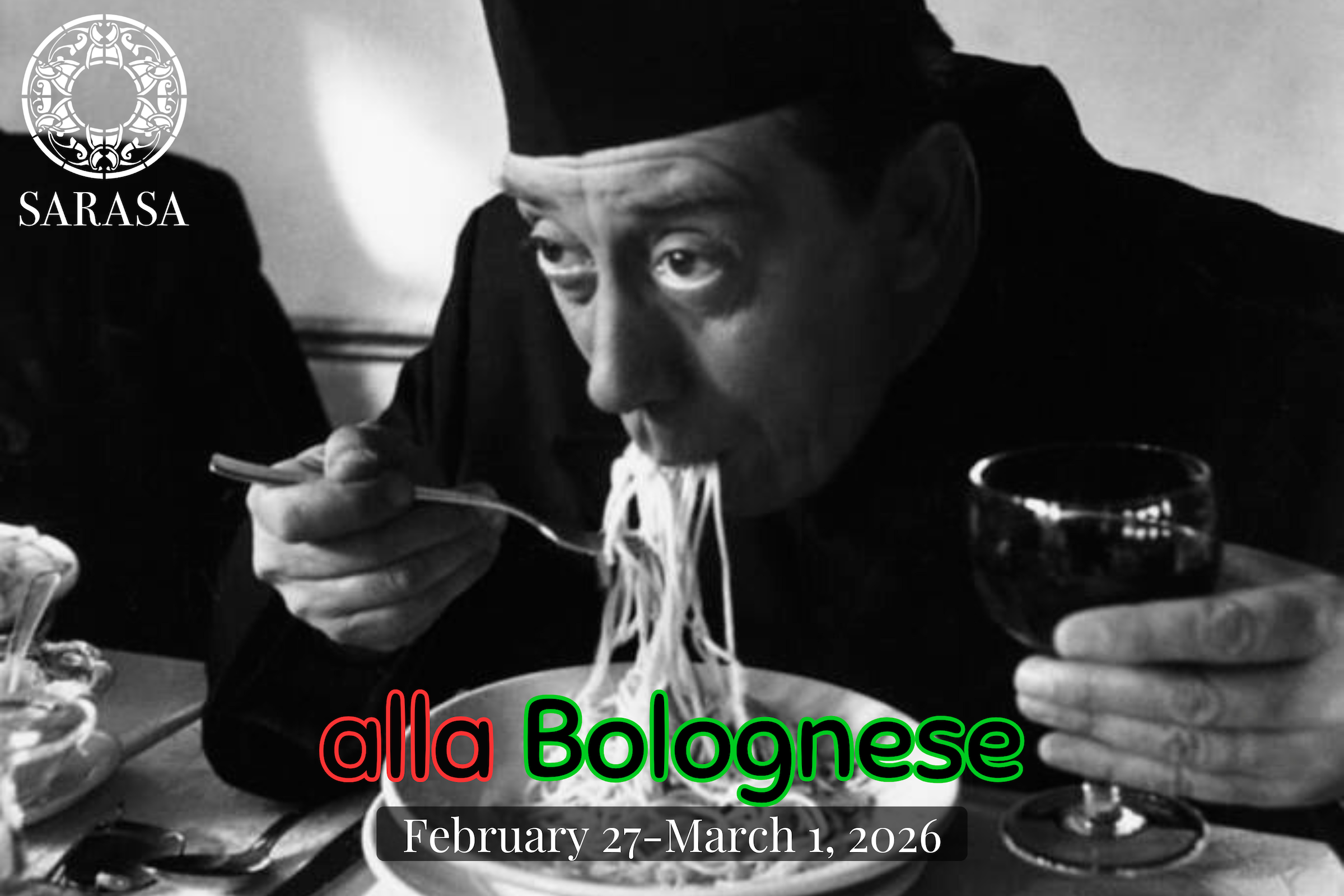
Friday, February 27, 2026 at 7pm at Brattleboro Music Center, Brattleboro VT (tickets at bmcvt.org)
Saturday, February 28, 2026 at 7pm at Friends Meeting House, Cambridge
Sunday, March 1, 2026 at 3:30pm at Follen Church, Lexington
Not only renowned for its famous ragù, Bologna was the hotspot for many pioneering 17th-century musicians who paved the way for the flowering of instrumental music in Europe. Works for cornetto, violin, cello, and organ by Isabella Leonarda, Cazzati, Arresti, Gabrielli, Bononcini, Torelli, Piccinini, Ferrari & Montalbano.
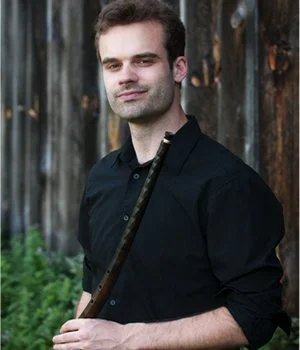
With Elicia Silverstein, violin; Nathaniel Cox, cornetto/theorbo/guitar; Jennifer Morsches, cello; John McKean, organ

Listening corner
A great example of the virtuosity that 17th-century instrumentalists were exploring is everywhere apparent in Sinfonia quarto "Gelosa" by Bartolomeo Montalbano:
Drumroll please…..introducing the cornetto!
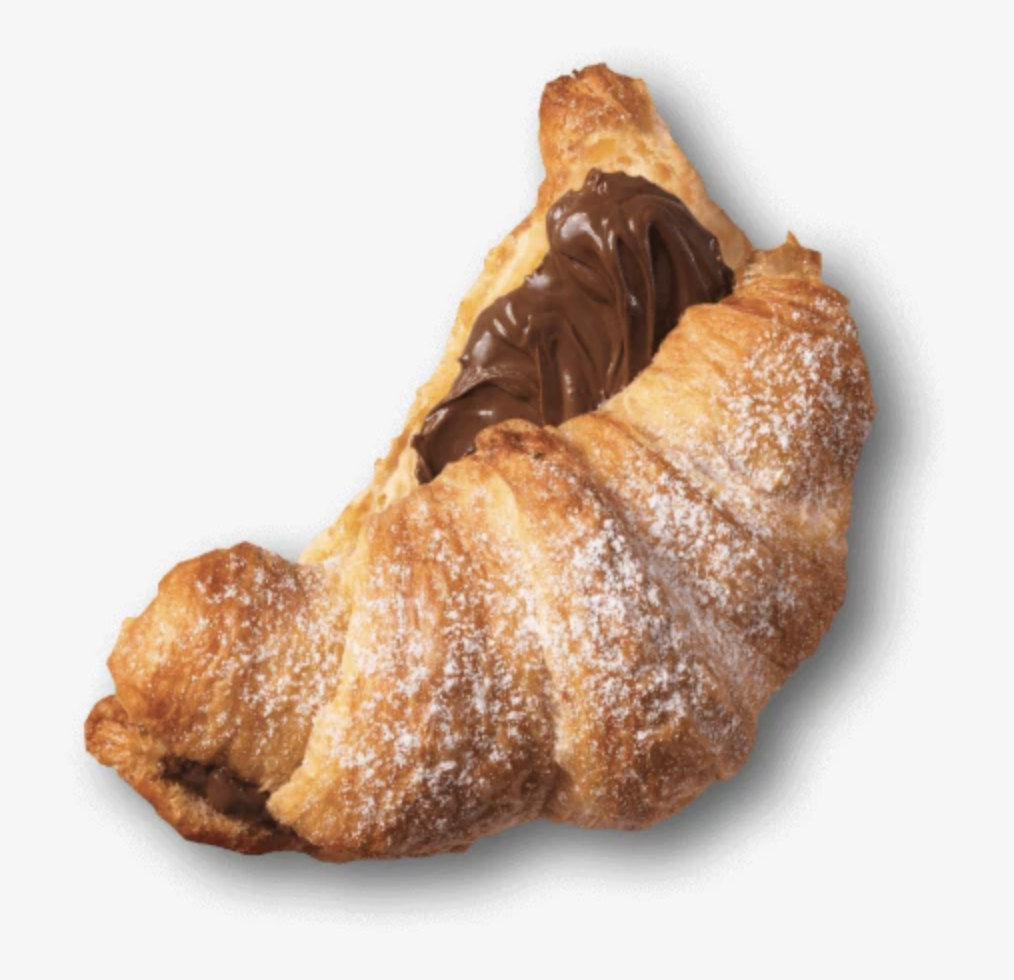
Our next program also features the cornetto. Now, many of you may ask what in the world is a cornetto? In Italian it means “little horn,” and has been adopted as the name for an Italian breakfast favourite: pastries filled with chocolate, cream, almond paste, pistachios, etc. It may also be familiar to some of you as the brand name for ice cream cones! Read more about the cornetto, “A ray of sunshine piercing the darkness of a cathedral,” in our detailed interview with Nathaniel Cox below. We hope to see you February 27, 28 or March 1 to experience in real time what a special musical instrument the cornetto is!

sarasa in conversation with nathaniel cox:
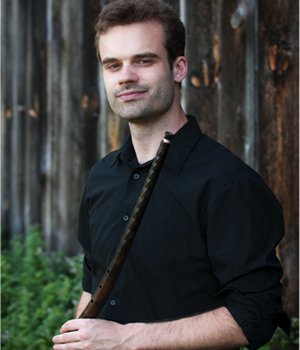
Nathaniel, we are really excited to have you perform Sarasa’s upcoming program, alla Bolognese, which highlights some incredible pioneering instrumentalist-composers from 17th-century Bologna. You will be playing quite a few pieces on the cornetto, which will be a new sound world for many of our audience members.
Could you tell us a little more about this instrument?
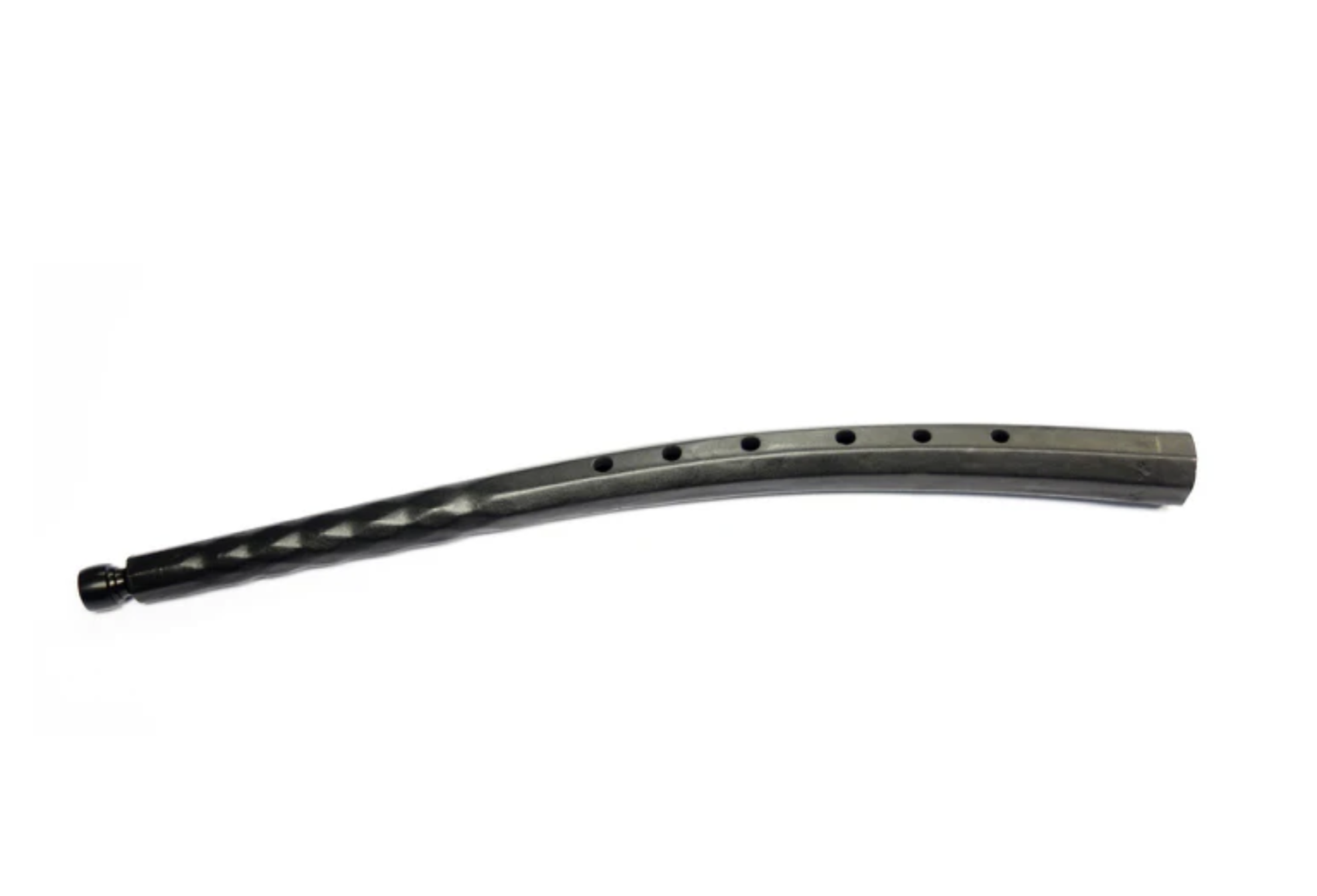
The cornetto is an interesting instrument that has elements of both the “woodwind” and the “brass” musical instrument families (though of course the concept of grouping instruments into these separate families wasn’t introduced until much later, around the turn of the 19th century). The cornetto is made from wood, and has finger holes similar to a recorder or other wind instrument. It is typically curved, and wrapped in leather or parchment. Like a brass instrument, the mouthpiece is cup-shaped, and the tone is created by vibrating the lips, though the mouthpiece is made of cow or buffalo horn rather than metal, and is much smaller than the mouthpiece on any brass instrument! This unusual mix gives the cornetto a unique sound somewhere between that of a trumpet, flute and oboe. In the sixteenth and seventeenth centuries it was prized as the instrument best able to imitate the human voice, and was commonly used together with voices for church music. Its sound was described in the seventeenth century as being like “a ray of sunshine piercing the darkness of a cathedral”.
How did you become attracted to the cornetto?
I started out as a trumpet player, and while I was studying at conservatory I started to realize that my interests were more in baroque and renaissance music than the classical and romantic music that we spent most of our time playing. My teacher was incredibly supportive of me looking for earlier repertoire to play and even experiment with playing “those old instruments”. I tried out both baroque trumpet and cornetto, but eventually decided that the cornetto was the right instrument for me. I loved how delicate and soft the instrument could play, and how well it could play all sorts of music with all sorts of ensembles.
How difficult is it to play?
Yes, the cornetto is fiendishly difficult to play. With such a small mouthpiece it requires expertly-trained lip and breath control to even make a sound on the instrument. Unlike modern wind instruments, the cornetto really, really doesn’t want to play in tune, and requires a considerable amount of persuasion on the part of the player to get the notes in the right place. Though it is incredibly difficult to learn to play the cornetto well, it isn’t actually that taxing to play (assuming the player is in good shape, which is easier said that done when balancing two kids and a full-time job). It doesn’t require huge amounts of air or great strength, just incredibly fine-tuned control.
Where was it invented, and why did it fall out of fashion?
The first references we see to the cornetto are from the early 16th century. It’s possible that it was around earlier, as it most likely evolved from a more primitive instrument made from an animal horn (“cornetto” means “horn” in Italian). It rose to prominence in Italy in the middle of the 16th century and reached its peak of popularity in Venice in the first decades of the seventeenth century. The seventeenth century saw a gradual replacement of the “renaissance” high-pitch winds (cornetto, shawm, dulcian, etc) with the newer French “baroque” low-pitch winds (oboe, transverse flute, bassoon, etc). The role of the cornetto was replaced by either the violin or the oboe, and there don’t appear to have been any attempts at adapting the cornetto to the newer French style.
What music do you play on it?
The wonderful thing about the music of the sixteenth and seventeenth centuries is how un-specified the instrumentation is. The first indications of instrumentation didn’t appear until 1610, and even then it was quite common to see “for cornetto, or violin, or other similar instrument”. Over the course of the seventeenth century the instrumental music starts to become much more idiomatic to specific instruments (usually the violin), but pretty much any soprano instrument part between 1500-1630 will work on the cornetto. Even vocal music from this period is fair game, as the cornetto often played together with voices, either doubling or replacing them. It was quite common for cornetto or recorder players to adapt vocal music as solo pieces, playing highly-ornamented versions of the top line while an organ, lute or harp played the rest of the vocal lines.
How does it feel to switch from playing a plucked instrument (lute, theorbo, Spanish guitar) to the cornetto?
At first I found it challenging to switch between cornetto and plucked instruments. I would have to remind myself of the need to breathe correctly and sometimes took a few moments to get back into “cornetto mode”. As I’ve gained experience I find I spend much less time thinking about technical issues while I’m performing. I simply think about what music I want to make, and the actual physical execution of the music is more second-nature. It’s something I’ve spent countless hours practicing in order to not have to think about it while performing. Being able to approach the music of the seventeenth century from such radically different instruments has given me so much insight into the music. Much in the same way that someone who speaks more than one language can have an appreciation for language that a monoglot wouldn’t have. Though in some senses it does make me a bit of a “jack of all trades”. There are both cornetto players and lutenists who can do things technically on their instruments that I could never dream of, but I’ve come to accept that. I have the technique I need to make the music I want to make, and that’s enough for me.
Thanks so much — we can’t wait to hear you perform this program!
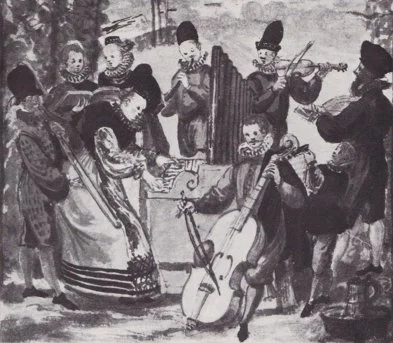
Spot the cornetto player in the background!
Anonymous painting from Album of Hieremias Buroner of Augsburg (1592-9)
new venture
Sarasa will be offering selections of our alla Bolognese program at the Cambridge Senior Center on Massachusetts Ave. on Thursday afternoon, February 27th. Apparently, the lunch menu at the center on that day will be pasta alla bolognese to help them get in the spirit for music from 17th-century Bologna! We will also present excerpts of the program to incarcerated teens at Massachusetts’ Department of Youth Services facilities as part of our award-winning ‘Music Unlocked’ program earlier in the day.
pasta favorites
Lady and the Tramp know how to celebrate a crush over a good plate of pasta...
Please send us your favorite pasta recipe!
Email us at admin@sarasamusic.org!
be my valentine

In 18th-century England, instruction manuals were popular for learning how to compose the appropriate letters for every type of occasion or situation: courtship, marriage, sale of house, loss of a friend, applying for a job.
Here’s a template for courting:
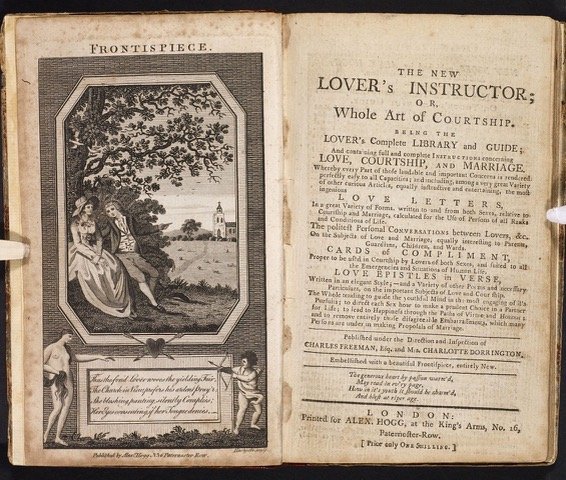
Frontispiece from The New Lover’s Instructor c1780 (British Library)