Welcome to our March Newsletter!
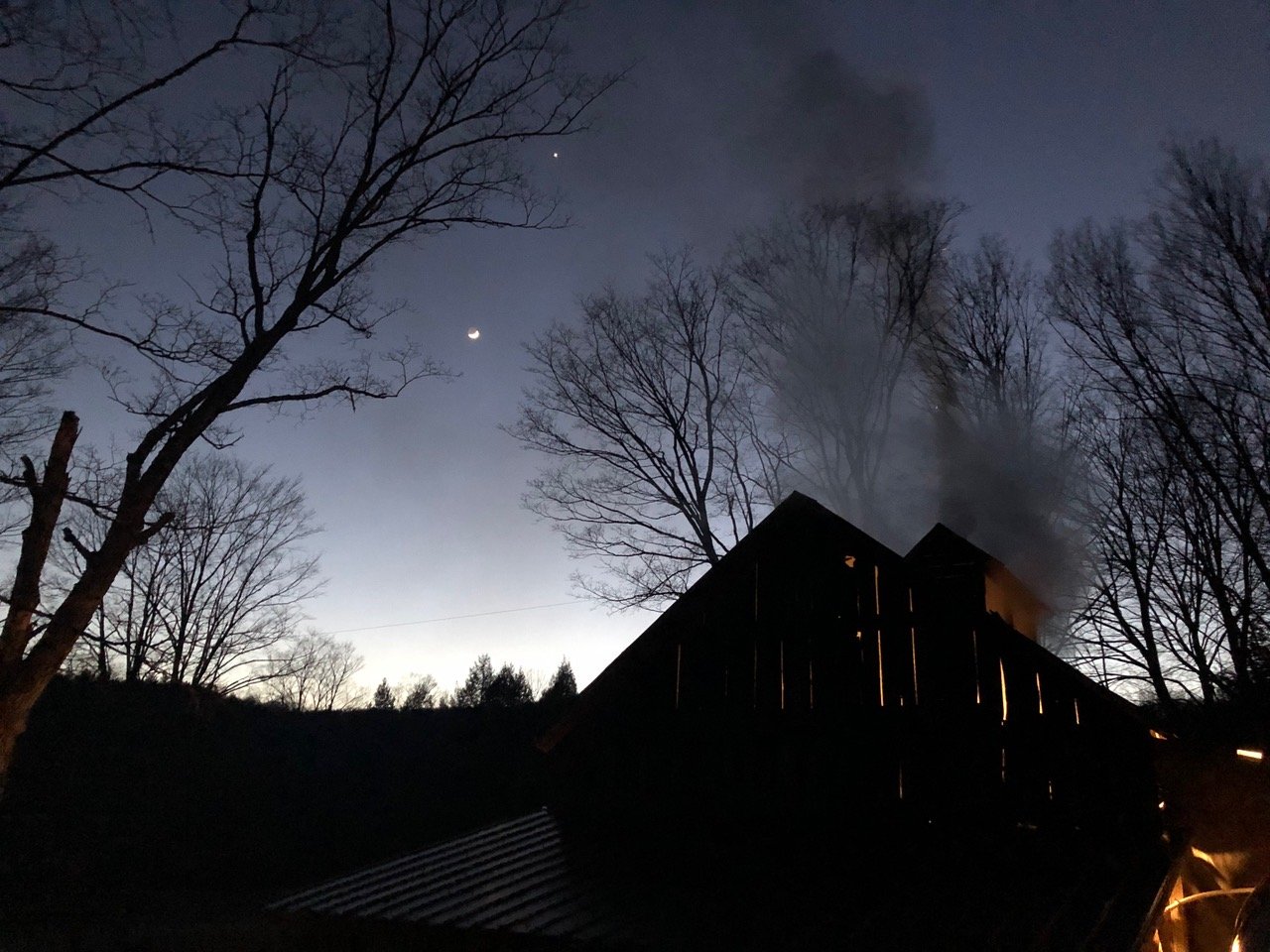
Boiling night at Tim Merton’s sugar house in Putney, VT
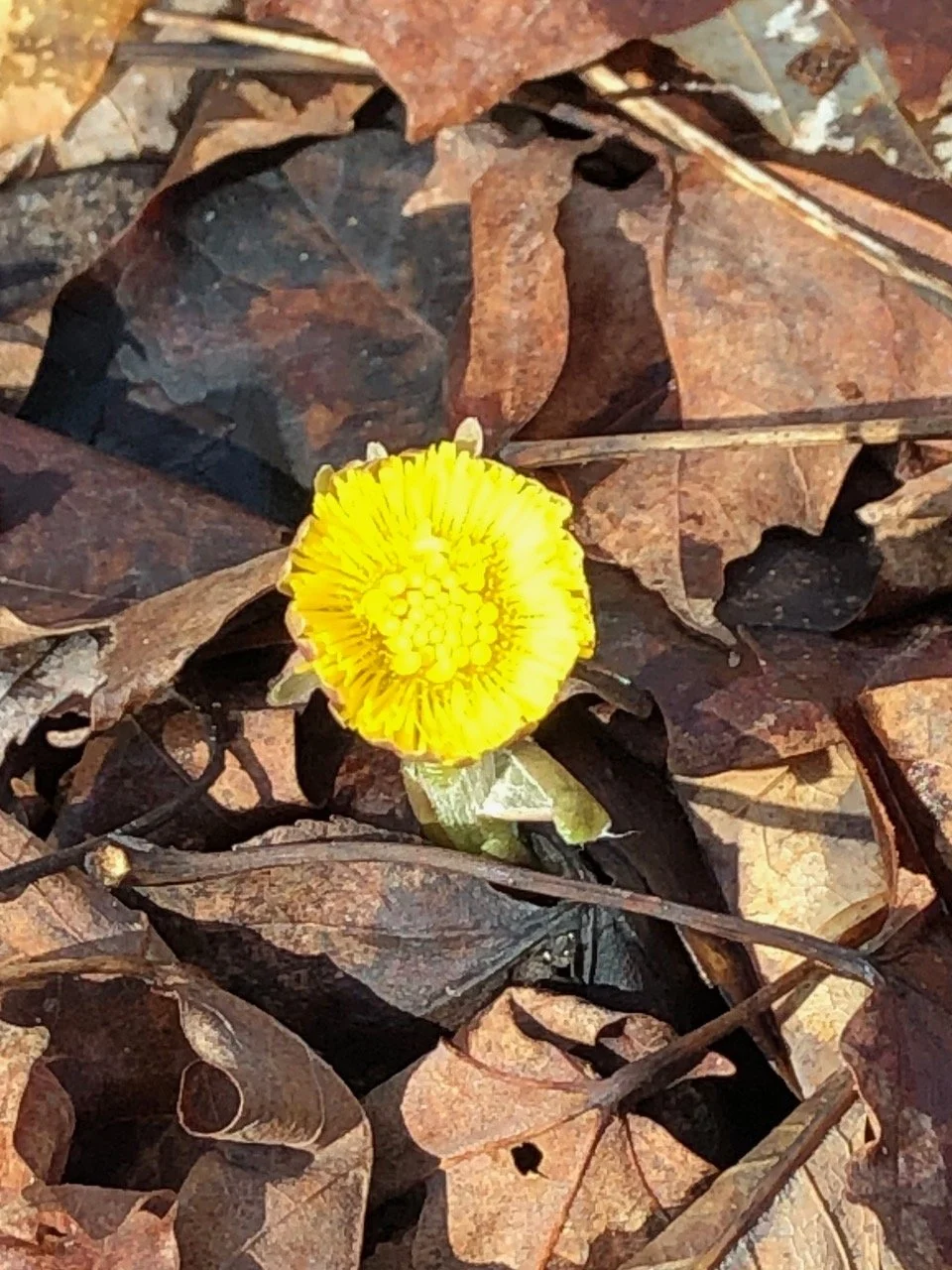
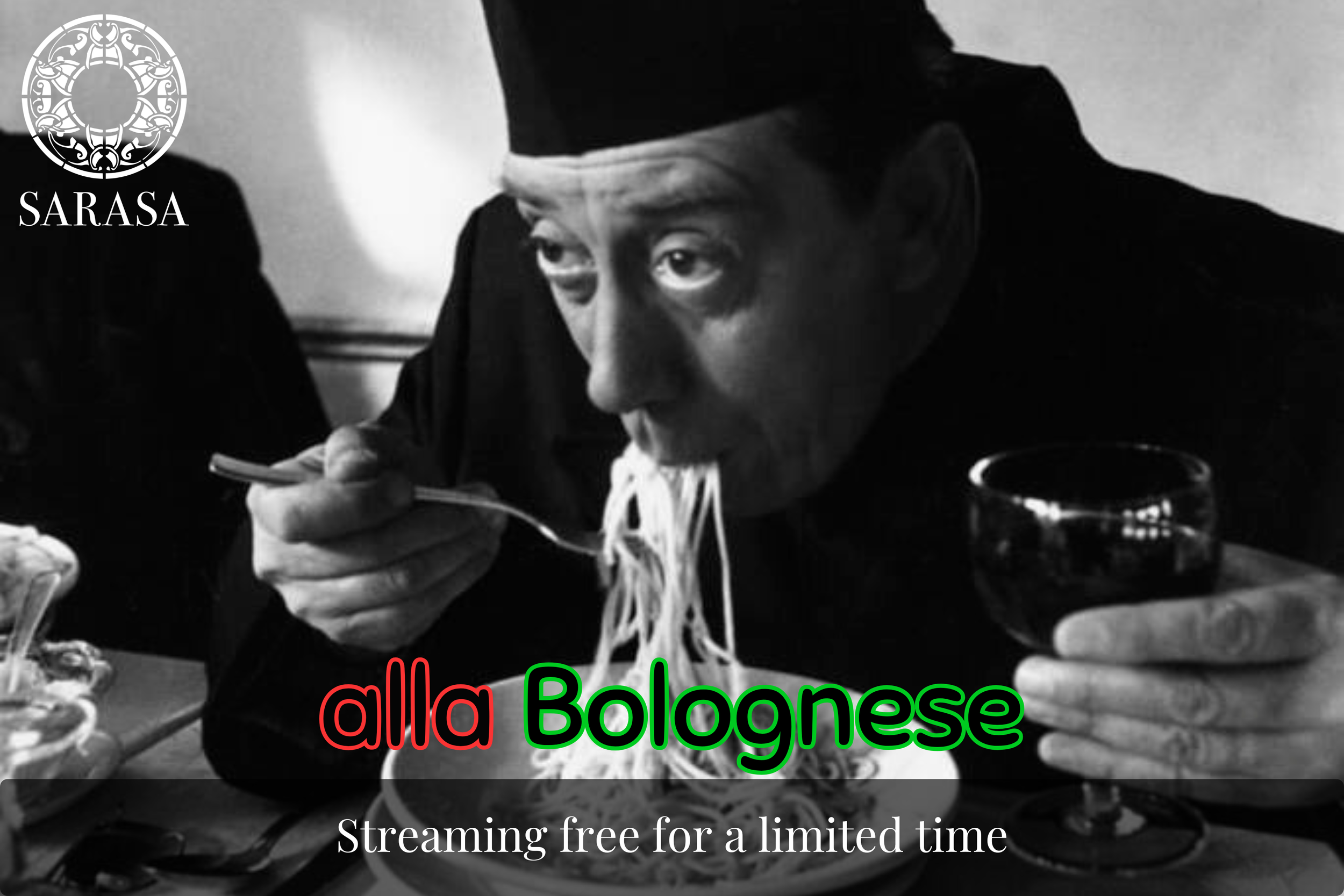
The sap is running, the snow has melted in record time, some flowers are daring to peep out, and Sarasa is still beaming from a wonderful weekend of concerts at the start of the month. You can enjoy the delectable feast Sarasa cooked up in a program devoted to instrumental music from 17th-century Bologna, aptly named alla Bolognese, now streaming for free!
“What was unique about this Sarasa Ensemble was not only the interesting selections and clever program title, but the commitment to the authenticity to the pieces and their own style. Each player in the versatile five-member ensemble employs creative freedom to shape their parts, while intently listening to and relying on the musicianship of others.”
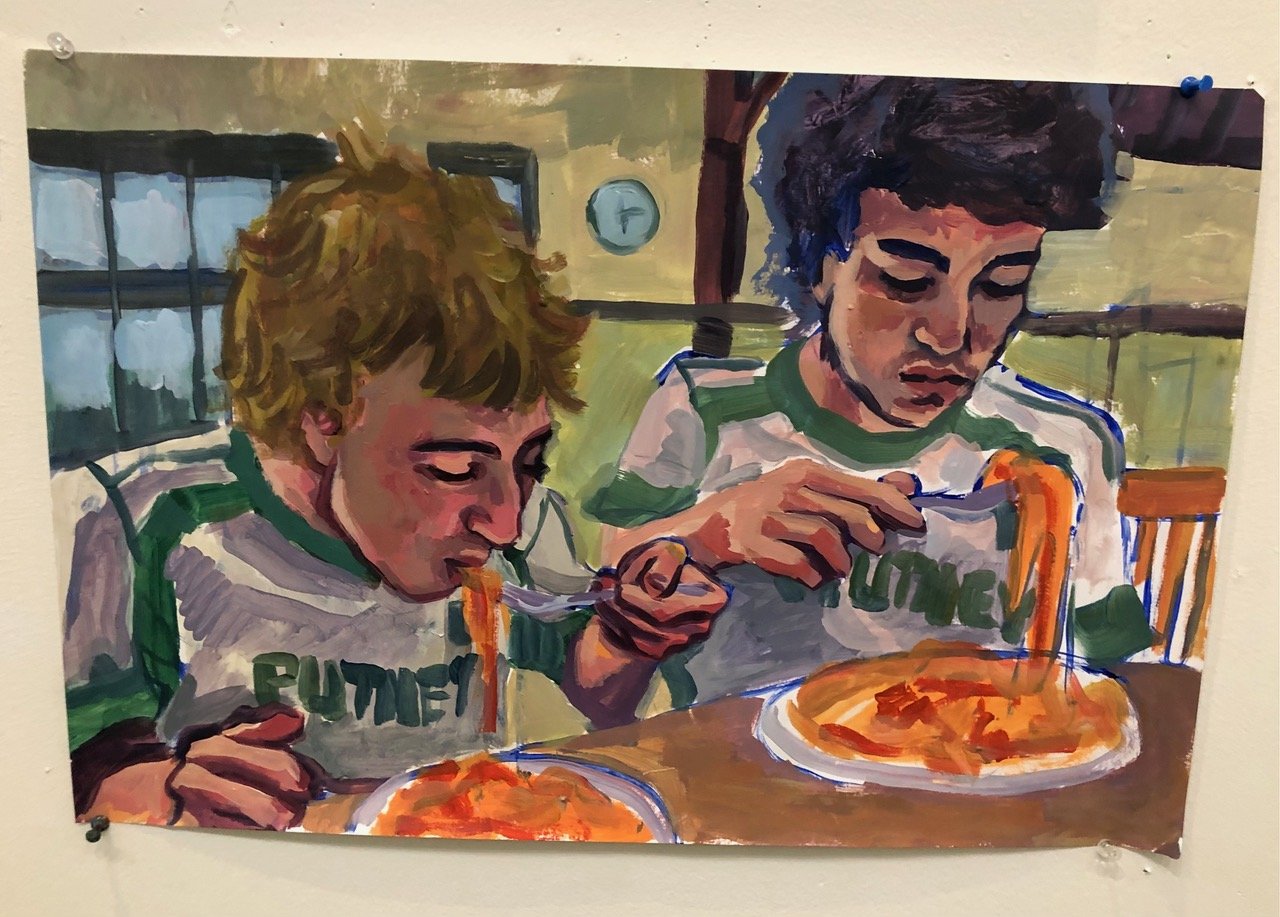
Pasta — a meal for hungry champions!
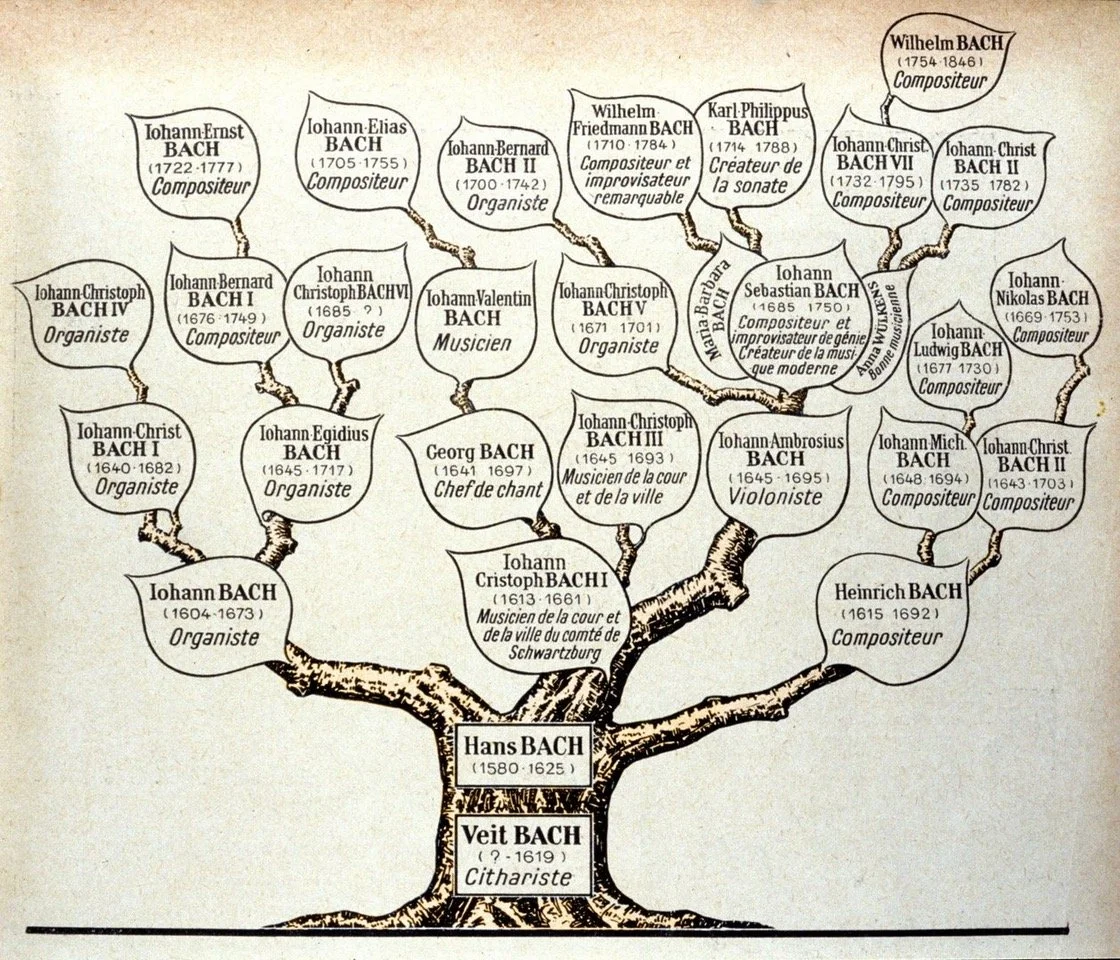
Family tree of the Bach family by unknown French artist, (19th century); Private Collection
Next up:
Sarasa is pleased to bring members of Johann Sebastian Bach's family to the stage for our final concert-set of the season. The sheer number of musicians the Bach family produced from the 16th to the early 19th centuries is astounding. Be it as a Stadtpfeiffer (town piper) or a fiddler or organist to court composer or Kapellmeister or Kantor, the musical talent of this family was vast and contributed immensely to the musical life in civic, courtly, popular, and spiritual settings. The family tree above, from an unknown 19th-century French artist, gives us an idea how the various branches of the family brought music to a wide swath of the region of Thuringia, their roots firmly based in the towns of Arnstadt, Erfurt, Eisenach, Weimar, and Ohrdruf. Johann Sebastian’s children learnt from their father, the most celebrated master craftsman of this musical dynasty. Carl Philipp Emanuel Bach, the second eldest son, wrote in his father’s obituary, “Johann Sebastian Bach belongs to a family that seems to have received a love and aptitude for music as a gift of Nature to all its members in common.”
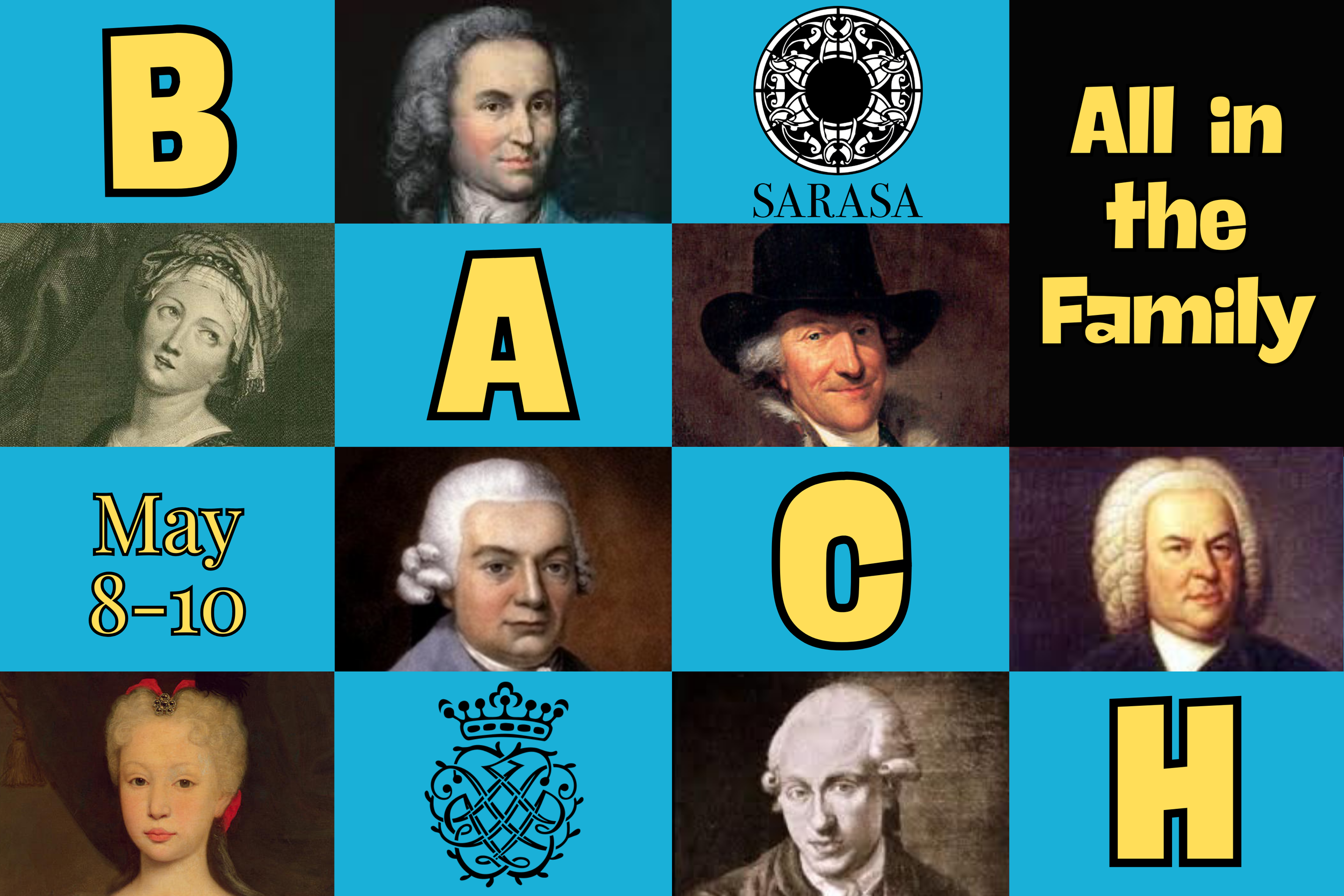
Friday, May 8, 2026 at 7pm at Brattleboro Music Center, Brattleboro VT (tickets at bmcvt.org)
Saturday, May 9, 2026 at 7pm at Friends Meeting House, Cambridge
Sunday, May 10, 2026 at 3:30pm at Follen Church, Lexington
A closer look at the extended Bach family and its many musical talents: Wilhelm Friedemann, Johann Bernhard, Anna Magdalena, Carl Philipp Emmanuel & Johann Sebastian Bach.
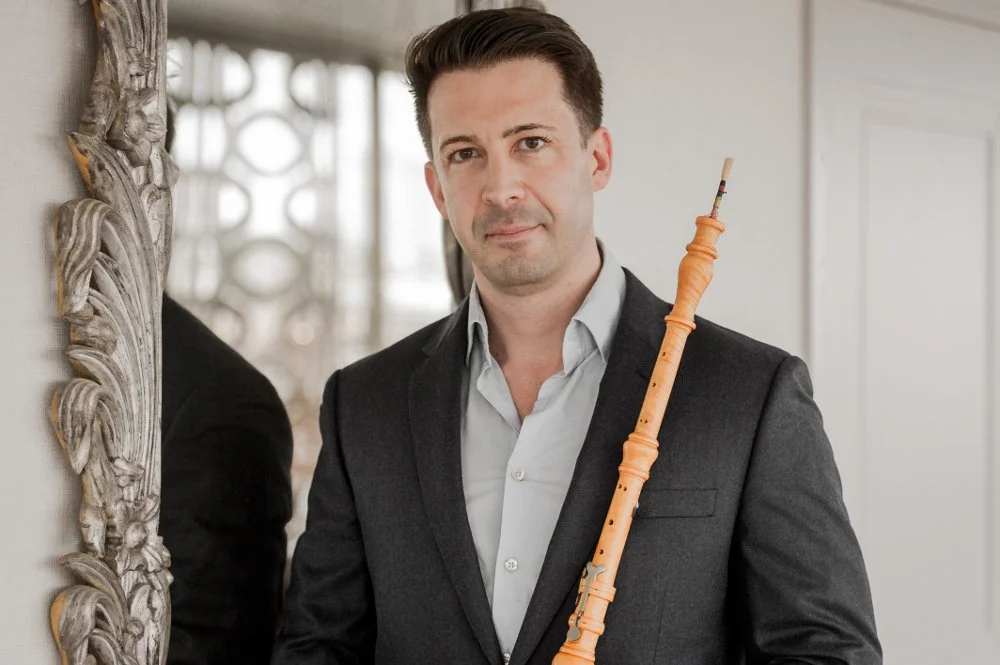
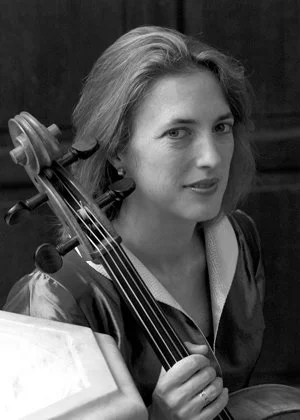
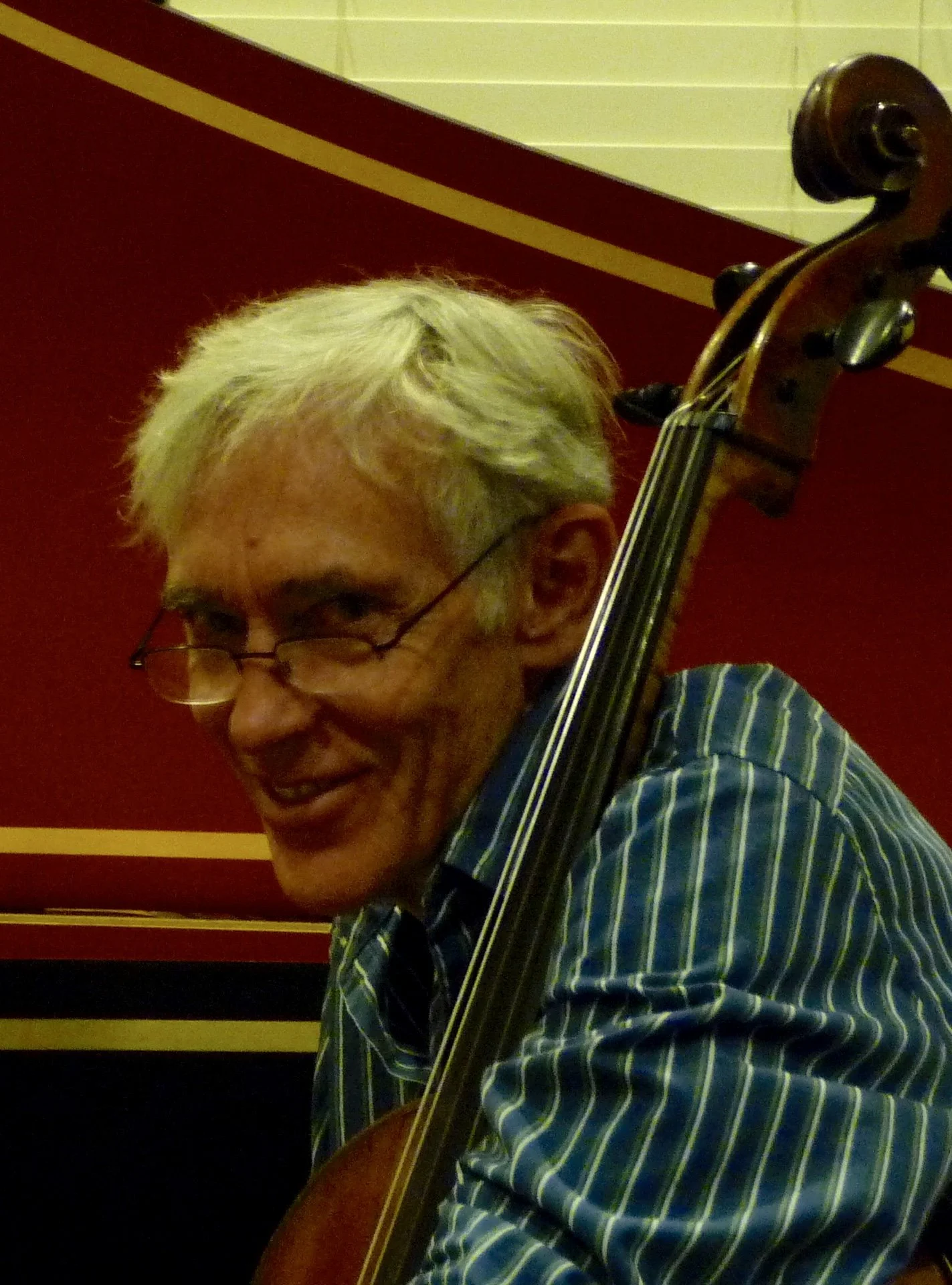
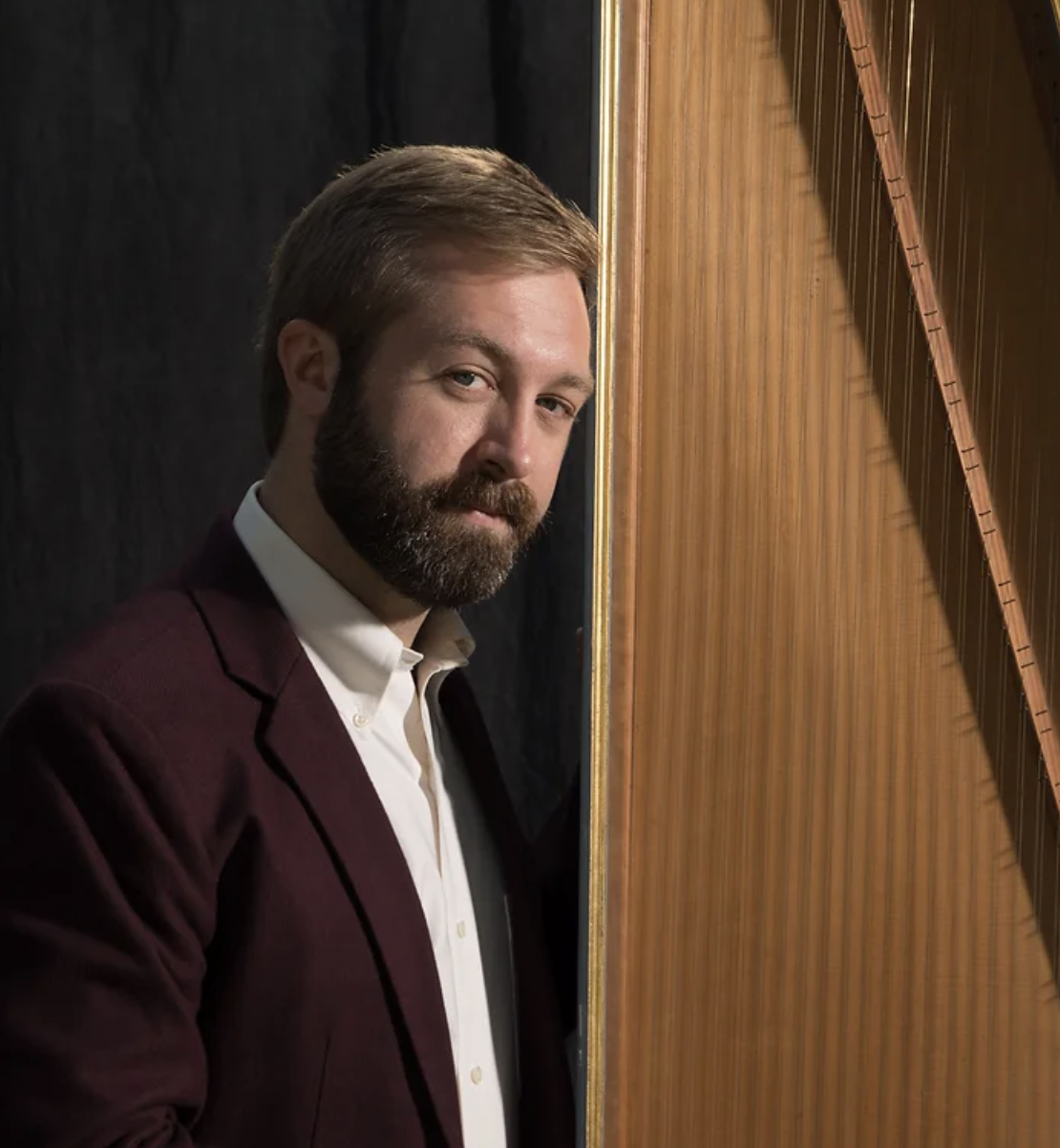
With Daniel Bates, oboe; Christina Day Martinson, Rebecca Nelson, Danilo Bonino, violins; Anna Griffis, violas; Jennifer Morsches, Timothy Merton, cellos; John McKean, harpsichord
A Virtual Beehive:
Johann Sebastian Bach fathered 20 children, half of whom survived into adult age. With his first wife, Maria Barbara (m. 1707-1720), he had 7 children, and with Anna Magdalena (m. 1721-1750), he had a further 13. What a busy household it must have been!
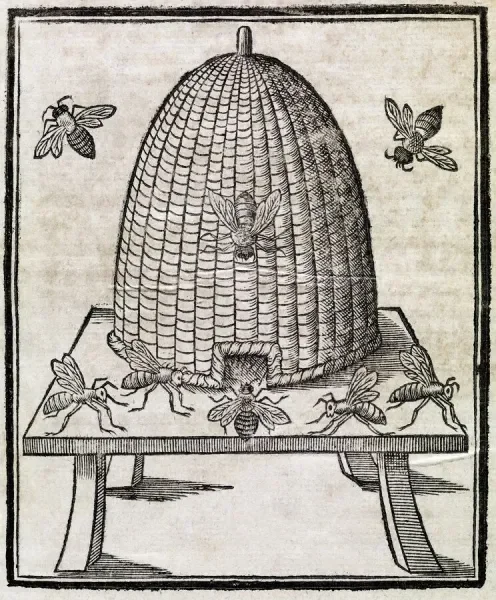
17th Century Woodcut Print: Beehive (Flora and Fauna)
Not only were there the meals to prepare, the children to feed, the clothes and linens to wash (for which they had service personnel), the schoolwork to be done, the rehearsals to attend, the students to teach, the choir to train, but all of the music Johann Sebastian had to compose, especially during his tenure as Kapellmeister at the Thomaskirche in Leipzig from 1723 until his death in 1750. Weekly cantatas at St. Thomas Church meant his industrious household helped out considerably as music copyists, especially Anna Magdalena, who was also a fine soprano, and the two elder sons Wilhelm Friedemann and Carl Philipp Emanuel. For example, in 1733 Bach composed a Kyrie-Gloria Missa as a calling card to gain favour at the Dresden court (these movements were ultimately incorporated into his momentous Mass in B minor). The manuscript vocal and orchestral parts, held in the State Library in Dresden, are in the handwritings of these family members. Bach also had student copyists and others to help him out. It would be fascinating to know what a given day at the Bach household was like.
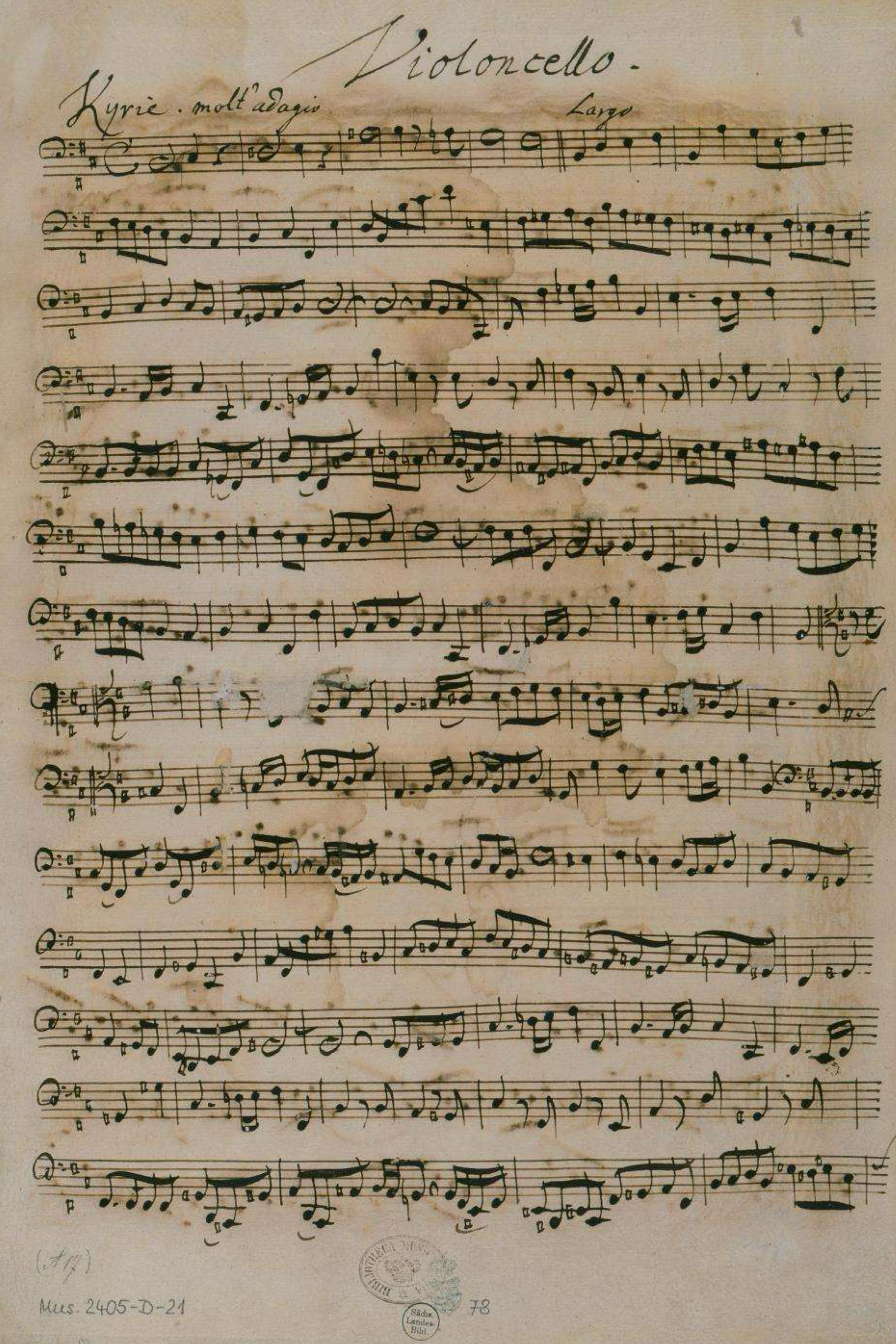
Sample of Anna Magdalena’s hand
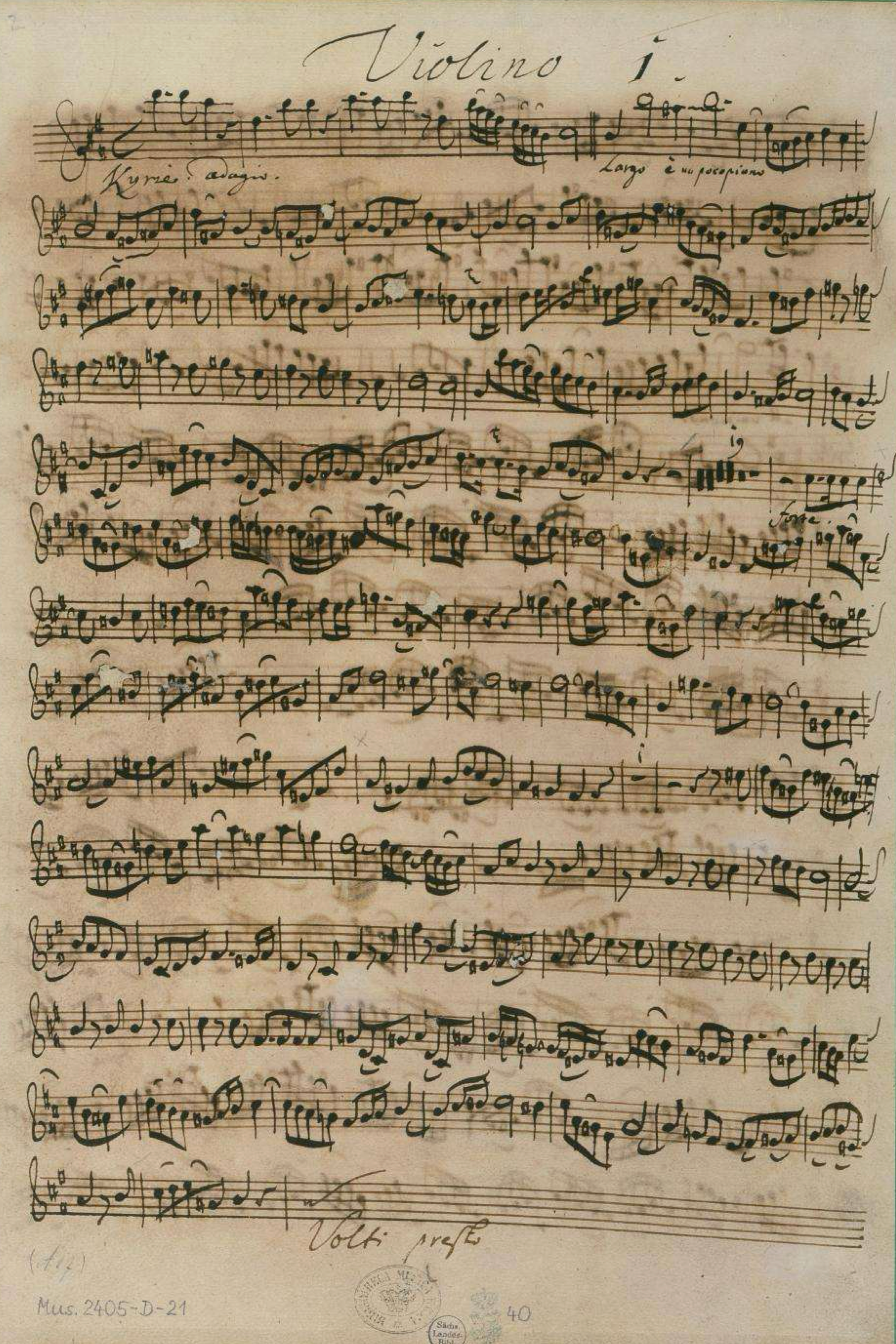
Sample of Wilhelm Friedemann’s hand

Sample of Carl Philipp Emanuel’s hand

Sample of Johann Sebastian’s hand