Welcome to our April Newsletter!
It's hard to believe, but we are gearing up for our final concert-set of the 2025-26 season, a program celebrating the musical legacy of the Bach family. This past season, Sarasa has been so fortunate for your support, especially in the increased audience sizes we have happily witnessed at our three venues, and in the continued generous financial sustainability you provide! We are deeply grateful to be able to share adventurous, unique programming with you, either live or via our free streaming videos, and we are especially dedicated to bringing excerpts of our programs to share with incarcerated teens at multiple facilities across the Greater Boston metropolitan area.
Join us for our Season Finale: “All in the Family”
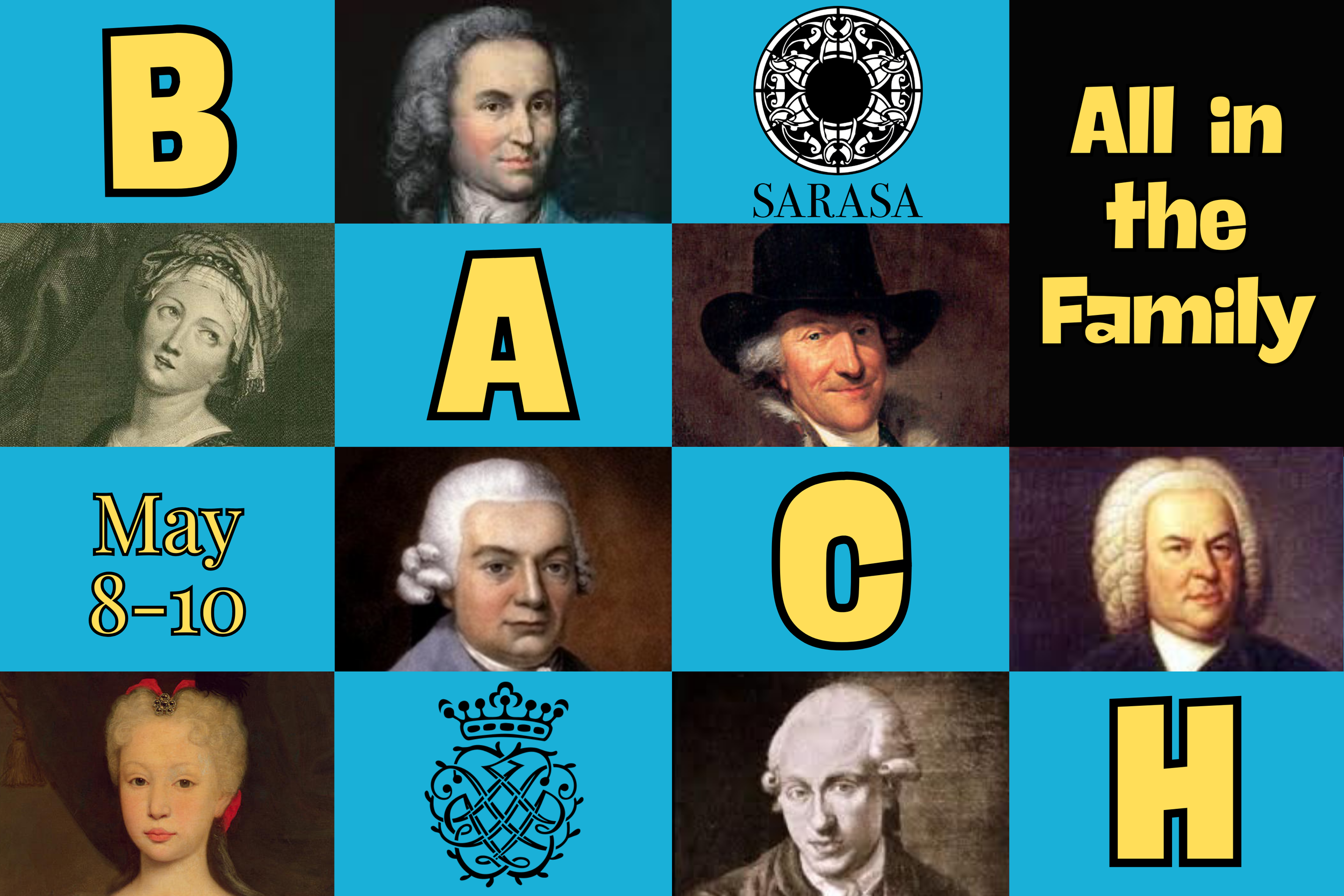
Friday, May 8, 2026 at 7pm at Brattleboro Music Center, Brattleboro VT (tickets at bmcvt.org)
Saturday, May 9, 2026 at 7pm at Friends Meeting House, Cambridge
Sunday, May 10, 2026 at 3:30pm at Follen Church, Lexington
A closer look at the extended Bach family and its many musical talents: Wilhelm Friedemann, Johann Bernhard, Anna Magdalena, Carl Philipp Emanuel & Johann Sebastian Bach.
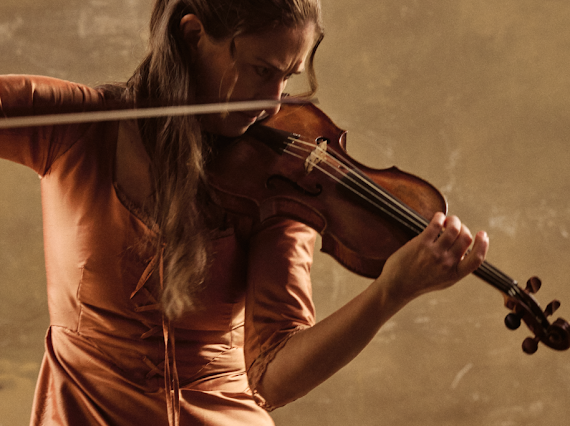
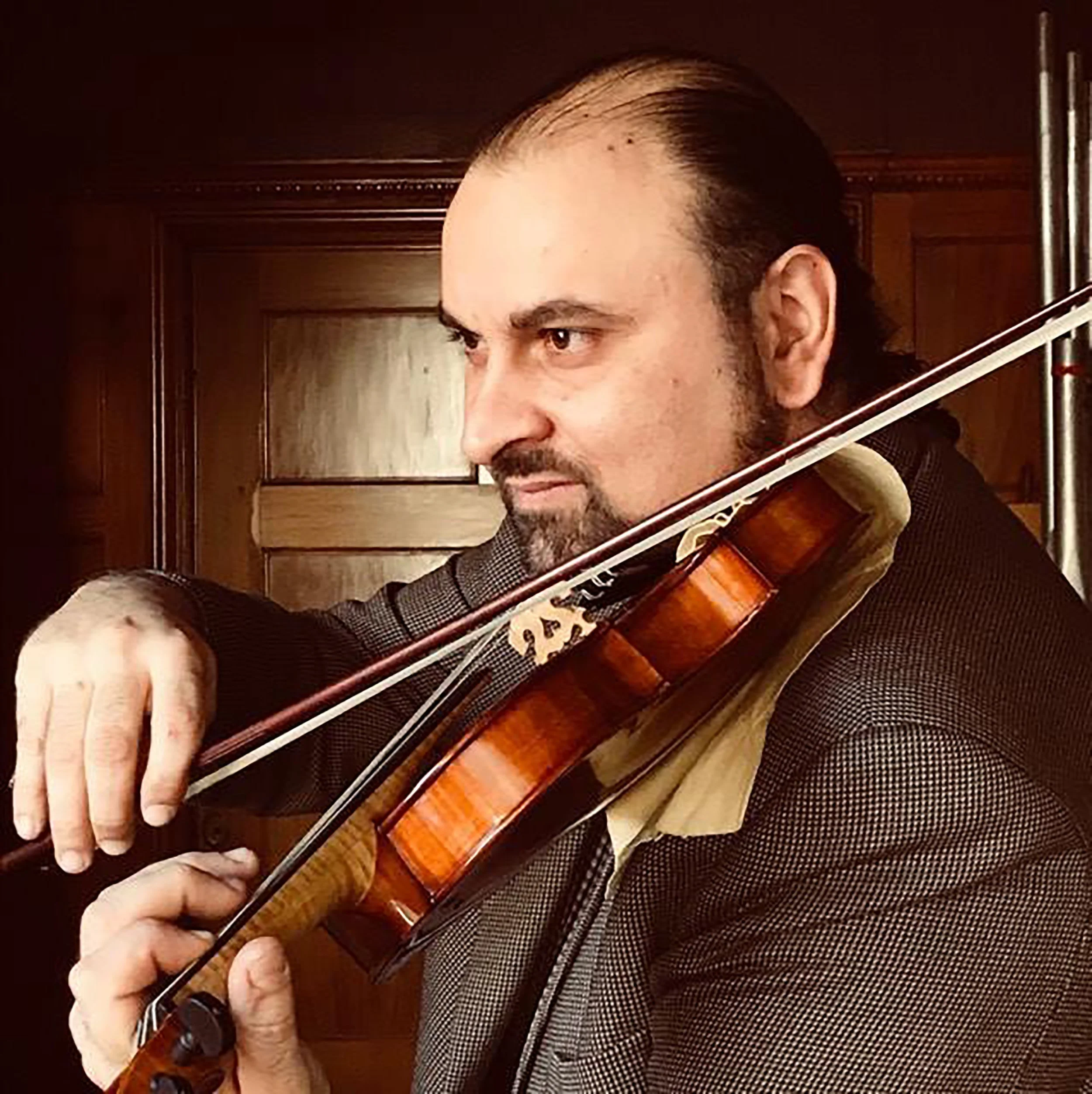
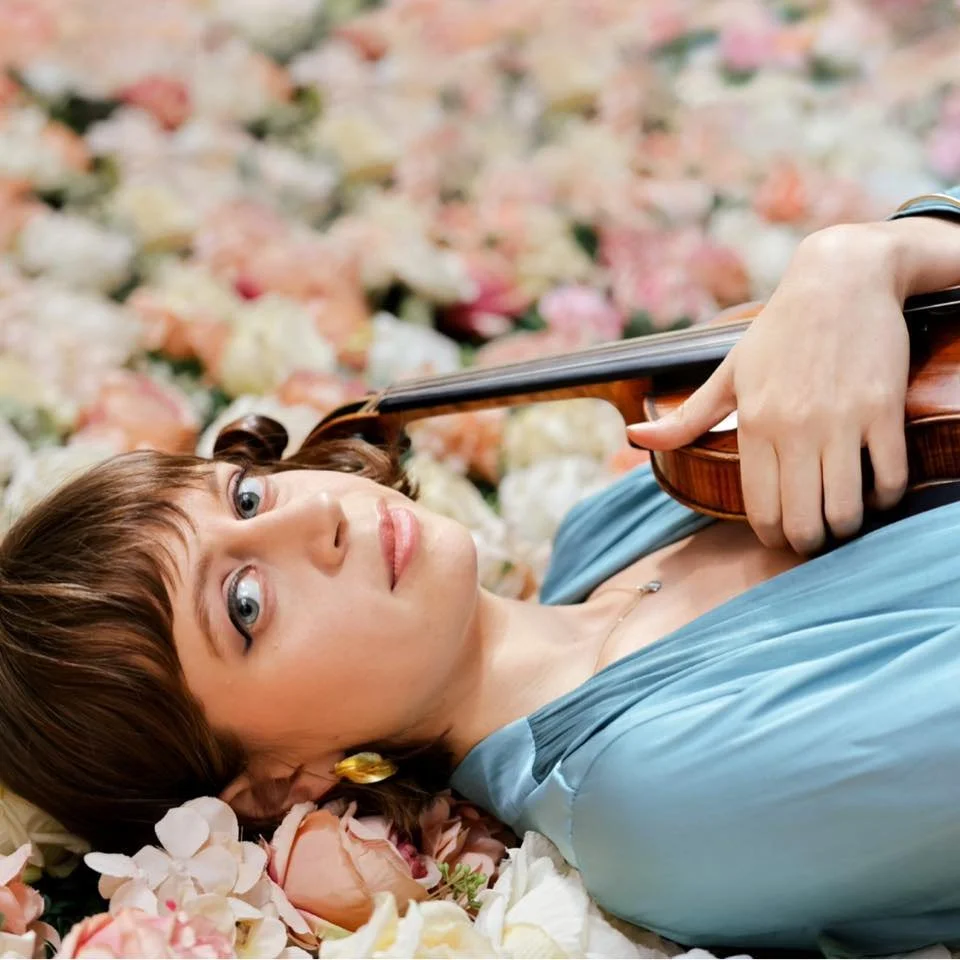
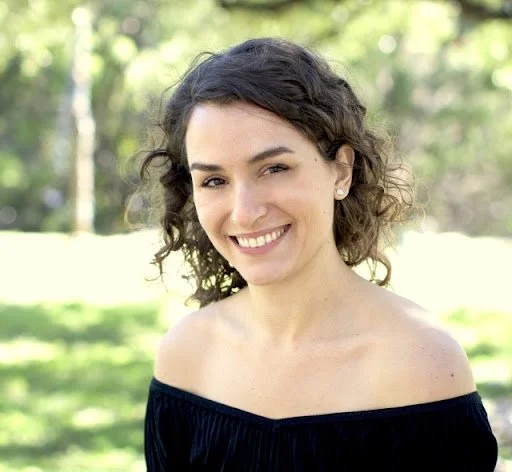
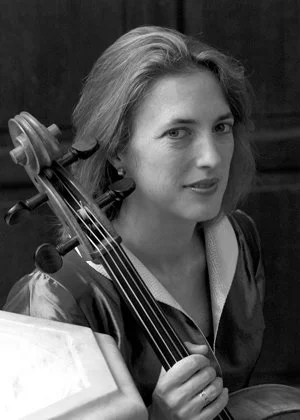
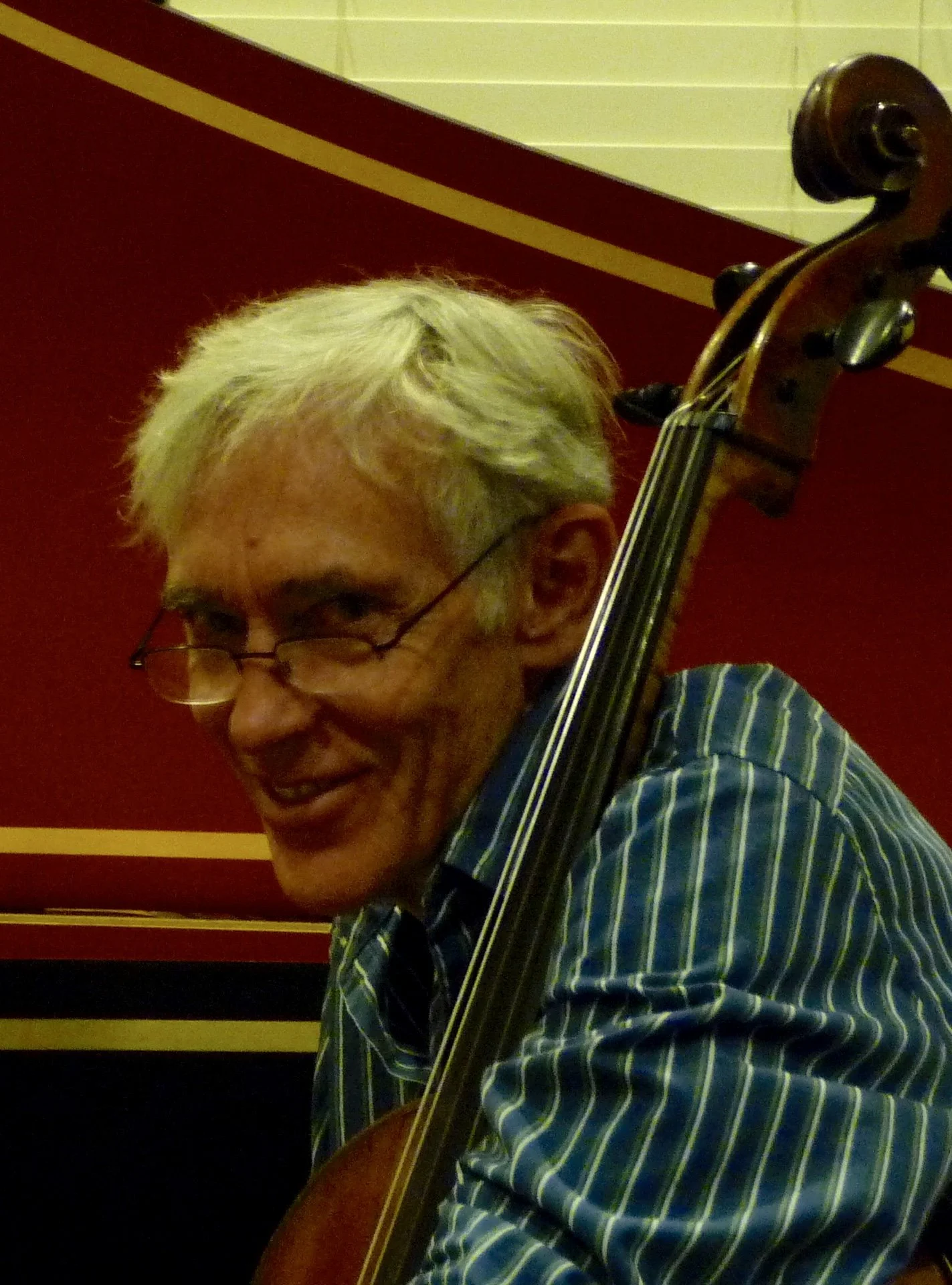
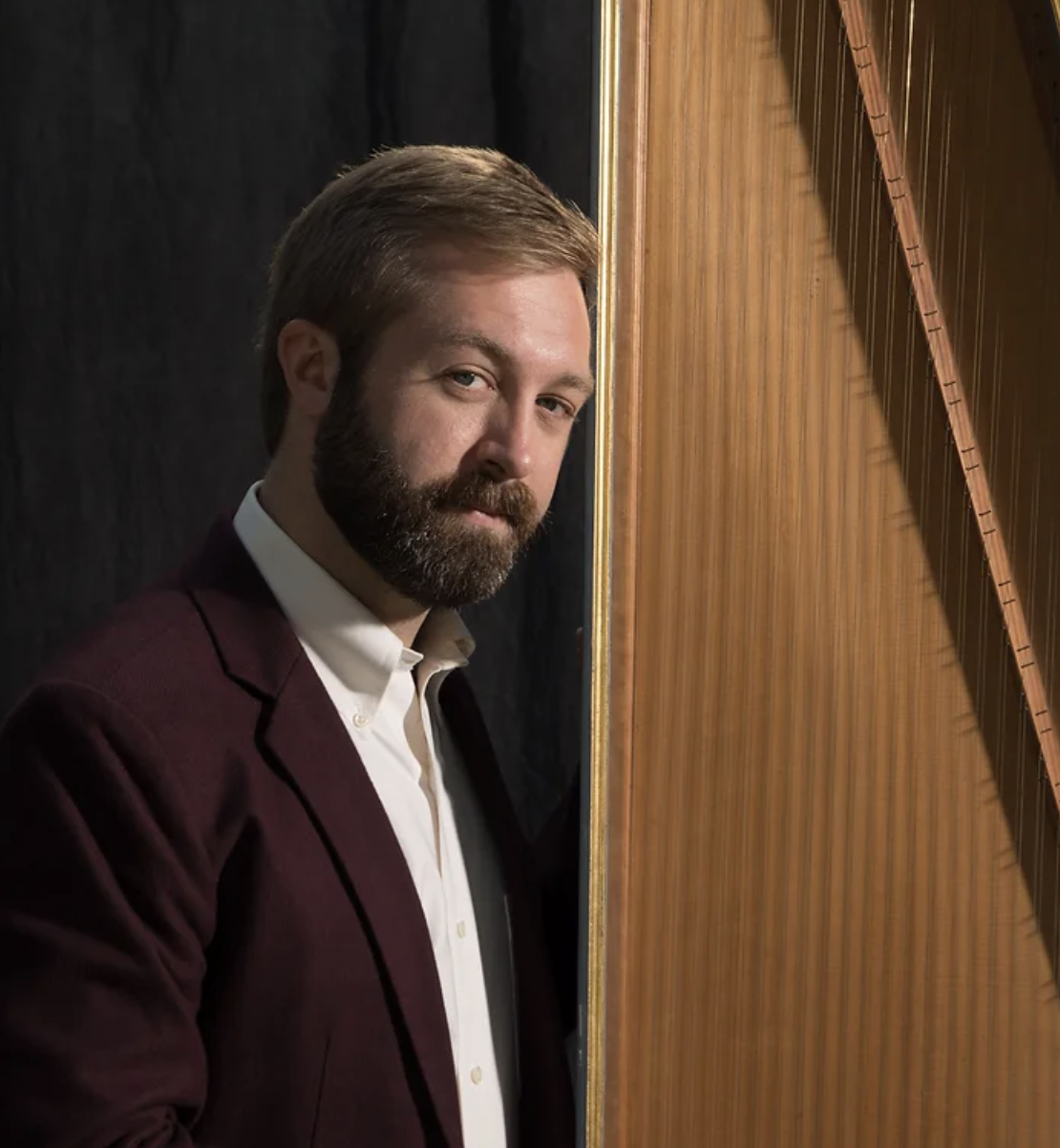
With Daniel Bates, oboe; Christina Day Martinson, Rebecca Nelson, Danilo Bonina, violins; Anna Griffis, violas; Jennifer Morsches, Timothy Merton, cellos; John McKean, harpsichord
J.S. Bach & the oboe
The music of Johann Sebastian Bach reached an incredible pinnacle in the Baroque era, perhaps not surpassed since. Through an extended family tradition, sheer talent, determined diligence, faith, and great attention to continually developing his craft, he imparted to us a bounty of music of earthy richness, as well as of emotional and spiritual succour.
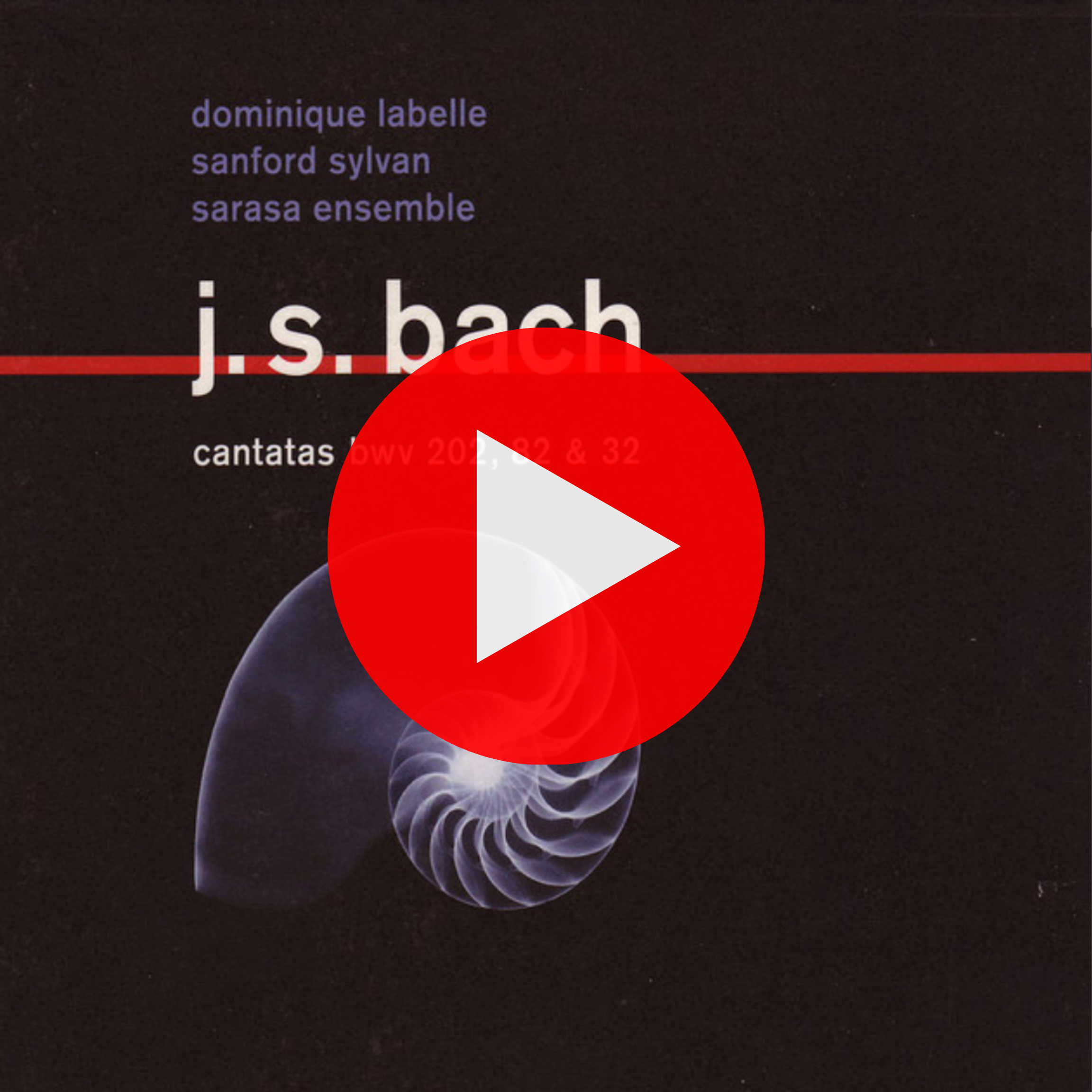
Click above to play the track
This is nowhere more evident than with his use of the oboe. Think of his sublime cantata, Ich habe genug, BWV 82, which features the oboe in its opening aria; here performed by Sarasa with Richard Earle, Baroque oboe and Sanford Sylvan, baritone.
A toe-tapping example of the oboe’s soloistic charms is everywhere evident in Bach's Brandenburg Concerto No. 2 in F major, BWV 1047. In this example, Bach emphasizes the Stadtpfeiffer tradition of his forbears with the inclusion of solo parts for trumpet, oboe, recorder as well as solo violin with strings and continuo.
Established in 14th-century German towns, a Stadtpfeiffer (or “town piper”) was a member of a guild of publicly employed musicians, who performed at civic and ceremonial occasions.

Man playing an hautboy; engraving by J C Weigel from Musikalisches Theatrum
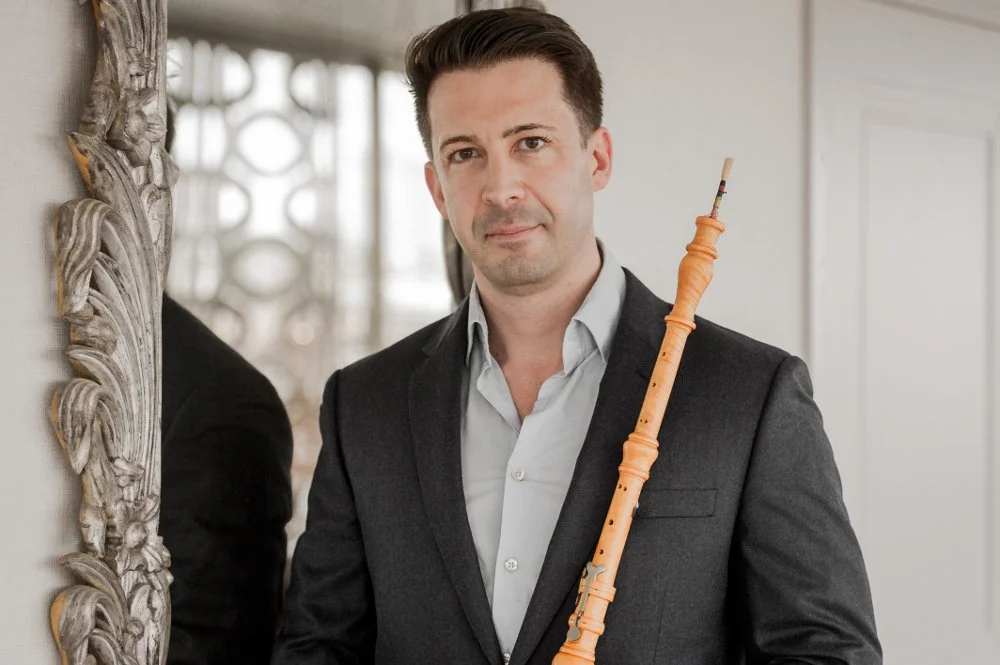
The term “oboe" comes from the French hautbois, or in English “hautboy,” a corruption of the French for “high wood,” as opposed to “bassoon” or “low sound." The Baroque oboe displays wonderful attributes of plangent sounds and warm colours due to its construction: it is made of European boxwood, which is a softer wood than the tropical hardwood of the modern oboe. Fiendishly difficult to play, many an oboist despairs over its reeds, which the player must constantly shave and scrape to ensure the vibration of the two pieces of wood (the double reed), when blown together, creates a clear, supportive tone and good intonation. The Baroque oboe lacks the fancy silver key work one finds on a modern oboe; the pitches are played by the finger holes, and chromatic notes are achieved by a complicated system of cross-fingerings. We are extremely excited to have Dan Bates join us for our May program. He and Christina Day Martinson, violin, will perform Bach’s wonderful Double Concerto for oboe & violin, BWV1060R, which J.S. Bach wrote originally as a concerto for two harpsichords. We will be performing the version in D minor.
Daniel Bates was born in London but now lives in Washington DC. He is principal oboe of the Orchestra of the Age of Enlightenment (London, UK) and the National Philharmonic Orchestra (DC, USA.) He recently received his doctoral degree from Stony Brook and Princeton Universities. His wedding was featured by Martha Stewart and he has a Pomeranian dog called Fitz.
Famously, Sergei Prokofiev introduced the duck in his Peter and the Wolf with the use of the oboe. This excerpt is often performed in order to introduce the audience to various members of the orchestra.
Maybe this is what inspired Looney Tunes in its creation of the somewhat annoying character, Daffy Duck!
Music à la carte! What would you order??
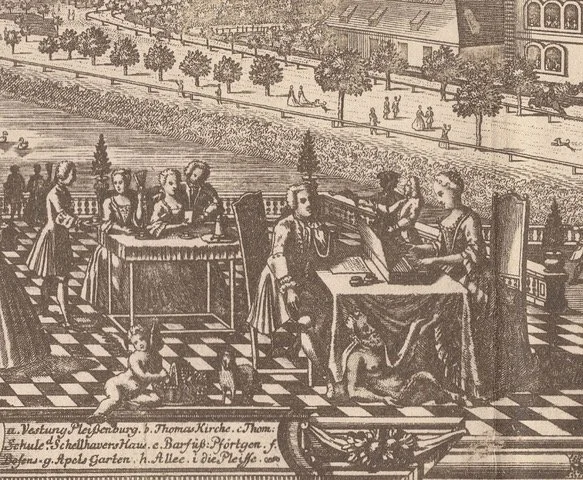
Outdoor music-making in Leipzig during Bach’s tenure as Kapellmeister at the Thomaskirche