Welcome to our September Newsletter!
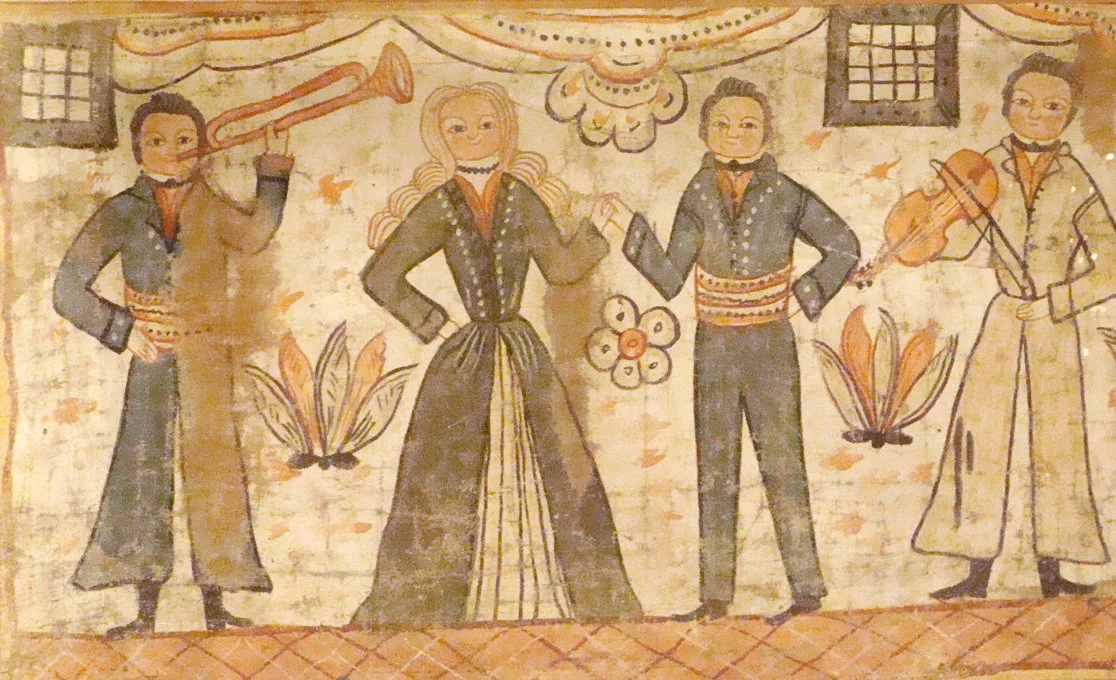
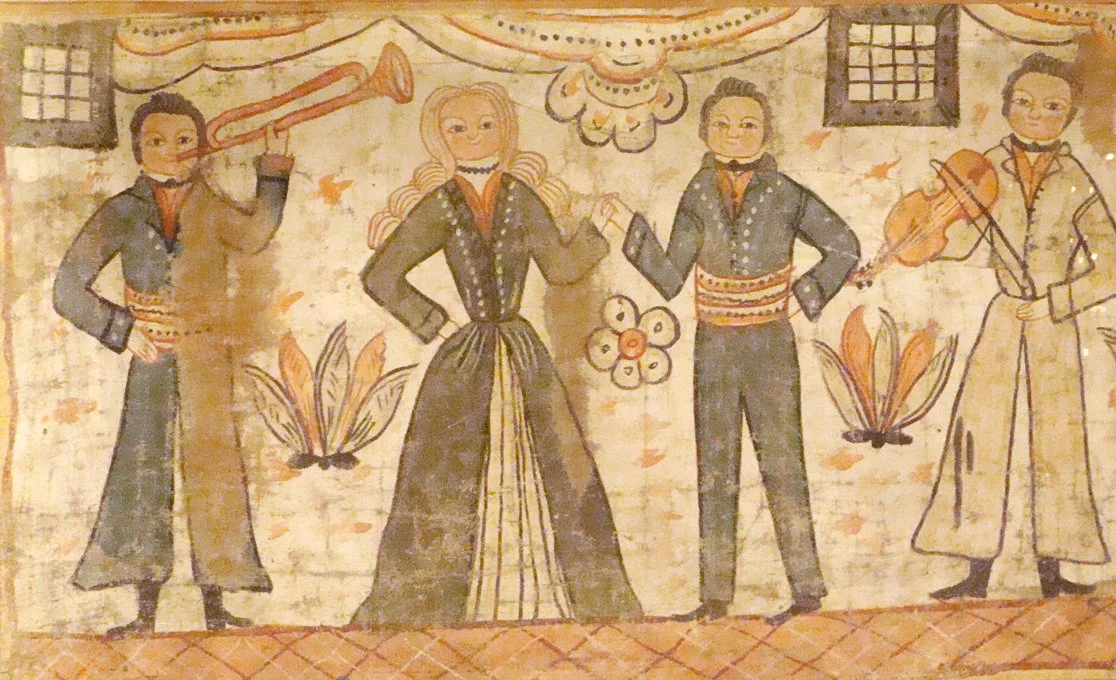
Village wedding, Swedish folk art, 19th century
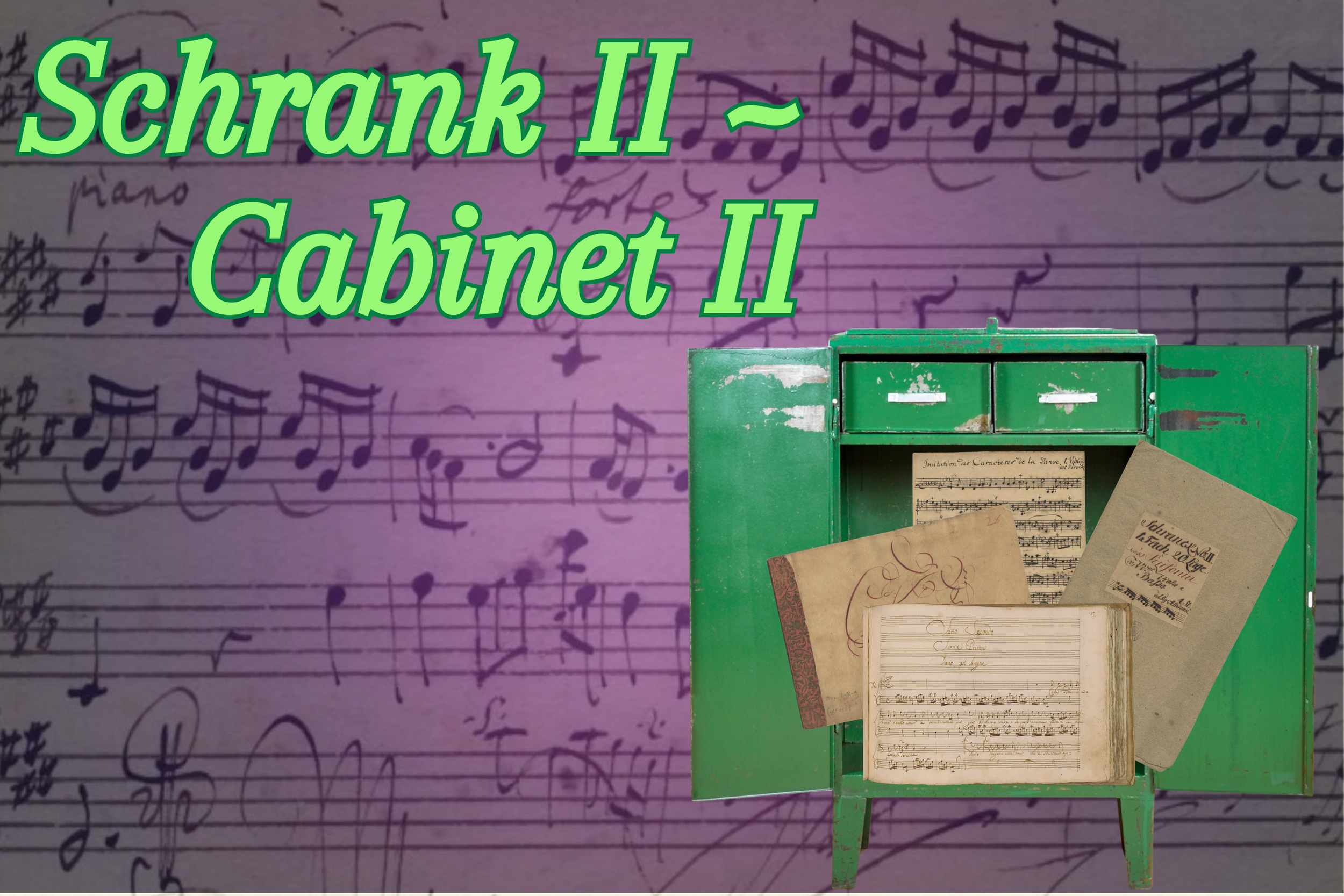
Sarasa kicked off its action-packed 2026-27 season, “Singing Allowed!” the weekend of 18-20 September with the phenomenal tenor, Richard Pittsinger. Sarasa’s team of musicians revealed some of the many wonderful Baroque treasures rediscovered from Dresden’s Schrank II ~ Cabinet II, a vast musical archive of over 1500 manuscripts that had lain forgotten in the basement of a church for over one hundred years. Giants of the French and Italian Baroque took center stage (Lully, Campra, Vivaldi), as well as German homegrown national talents (Händel, Telemann, and Pisendel), offering a program rich in content and style. In tandem with this historical collection, a deeply personal world premiere by Rebecca Scout Nelson, commissioned specifically for this occasion, made a huge impact on our audiences.
If you missed the concerts or wish to soak of the splendours of this incredible collection again, free streaming starts Thursday, October 1st at 7:30pm for a limited time. Don’t miss this special program and world-class artistry!
“Praise to Sarasa Ensemble for its adventuresome programming, coupling a relatively recently rediscovered trove of fine early music with a world premiere; this auspicious opener promises still more unconventional programming—and distinguished performances.” - The Boston Musical Intelligencer
Reactions from our audiences:
“What an amazing evening that was!"
"… they were really superb. I love Baroque ensembles, and Sarasa was as good as any I’ve heard…. “
“..enthralling singing."
“..expertly played.”
Schrank II ~ Cabinet II
Music manuscripts from the Dresden Court rediscovered in a cabinet after 100 years of oblivion with star, tenor Richard Pittsinger. Works by Händel, Vivaldi, Lully, Campra, Locatelli, Telemann & J.G. Pisendel. Plus a world premiere by Rebecca Scout Nelson.
With Richard Pittsinger, tenor; Rebecca Scout Nelson, composer/violin, Susanna Ogata, Nelli Jabotinsky, violins; Emily Dahl Irons, violin/viola; Jennifer Morsches, Timothy Merton, cellos; John McKean, harpsichord
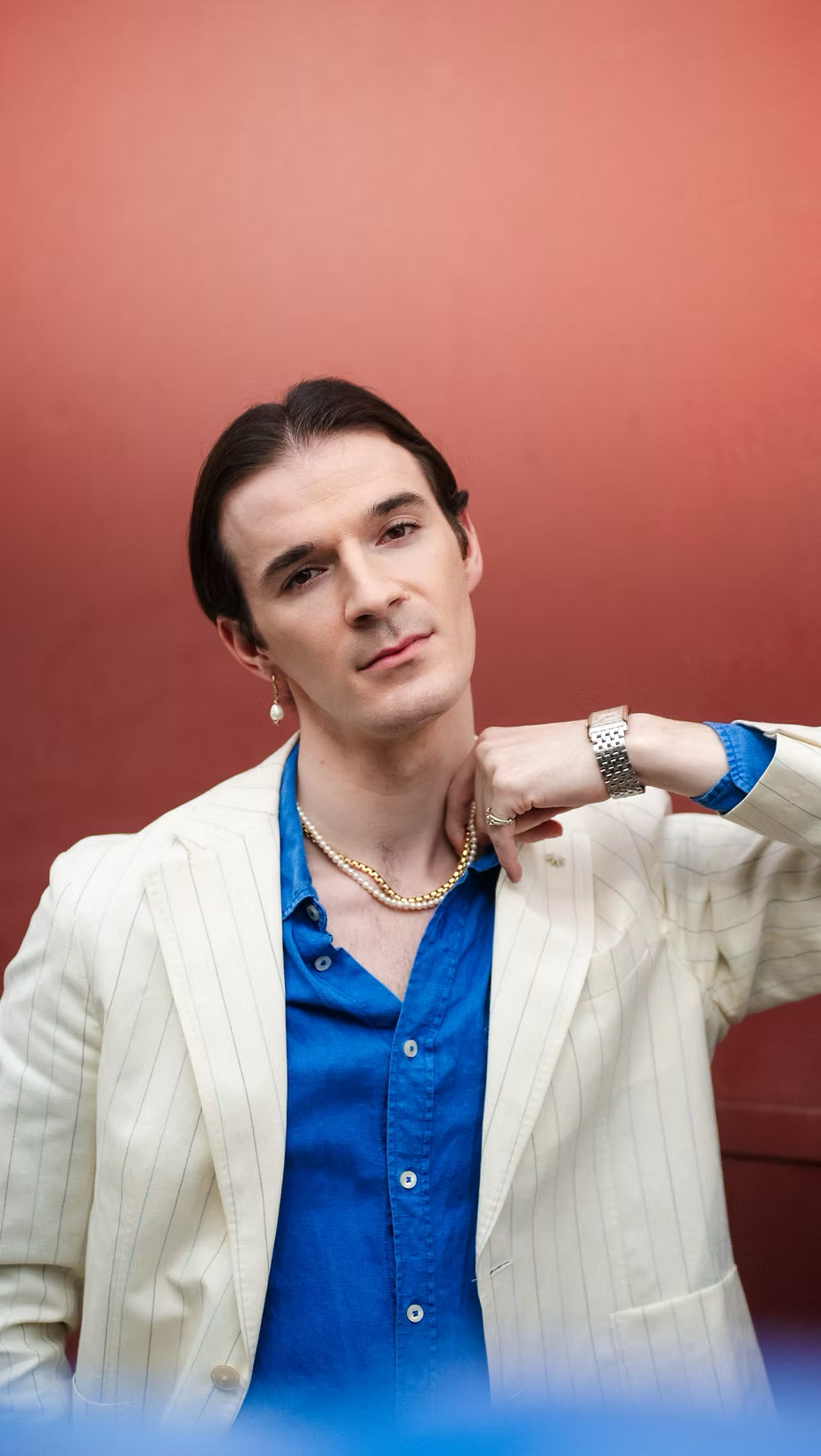
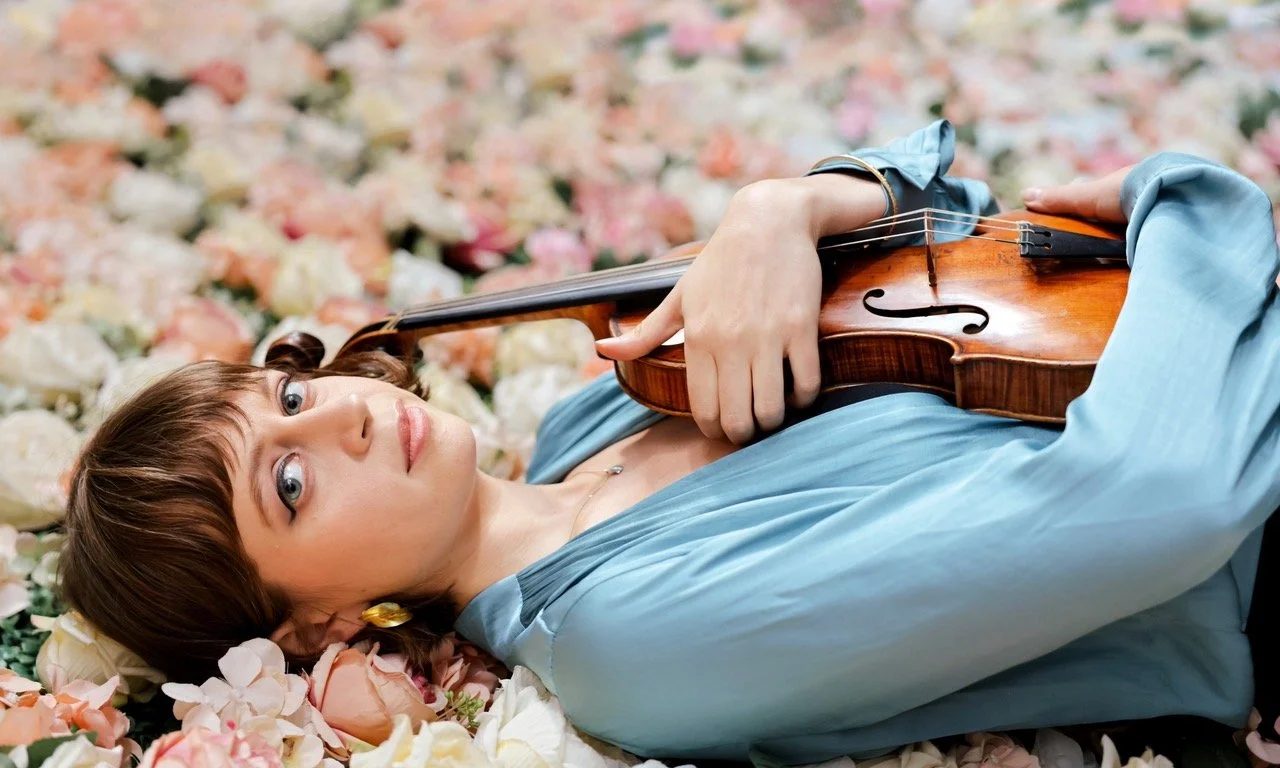
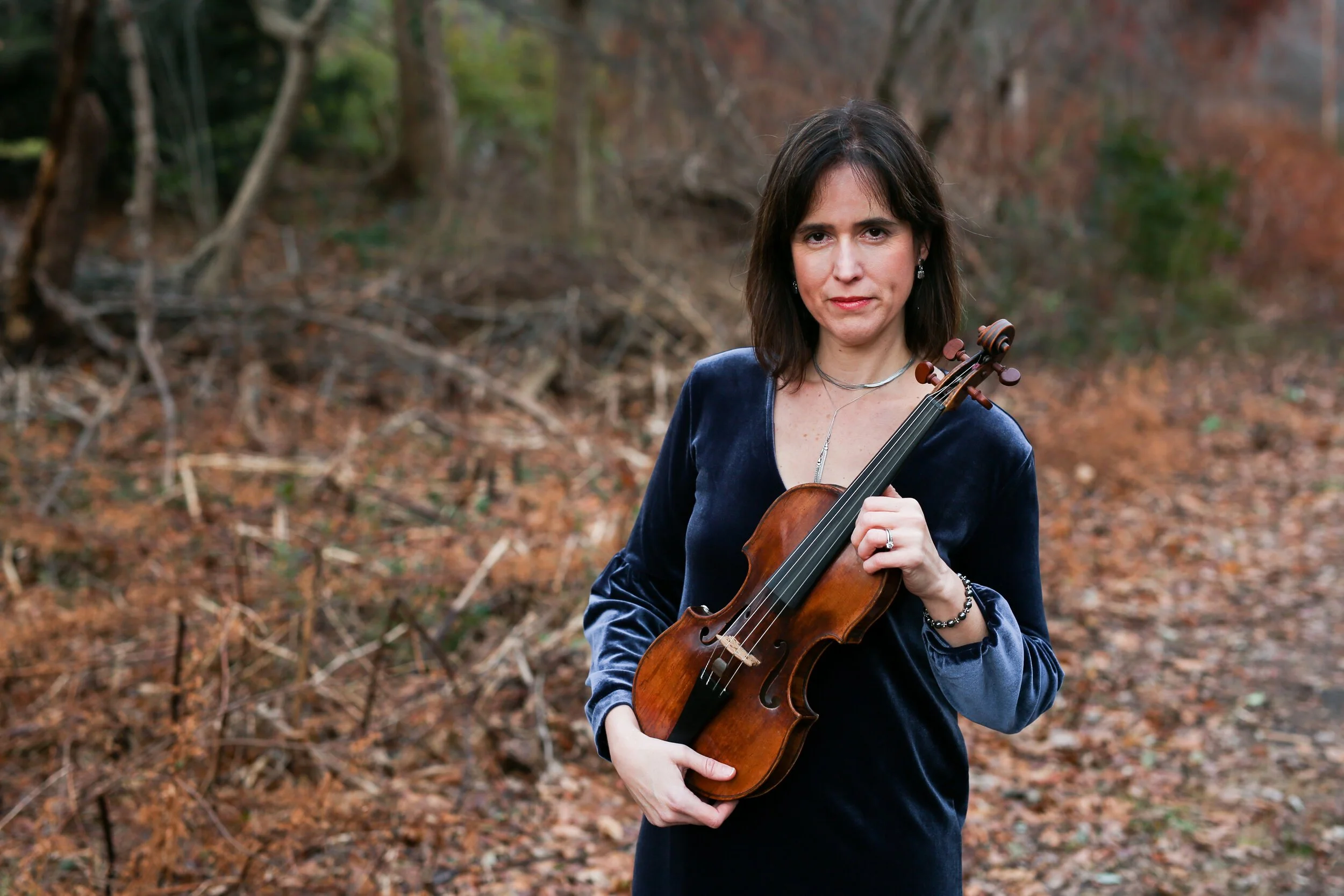
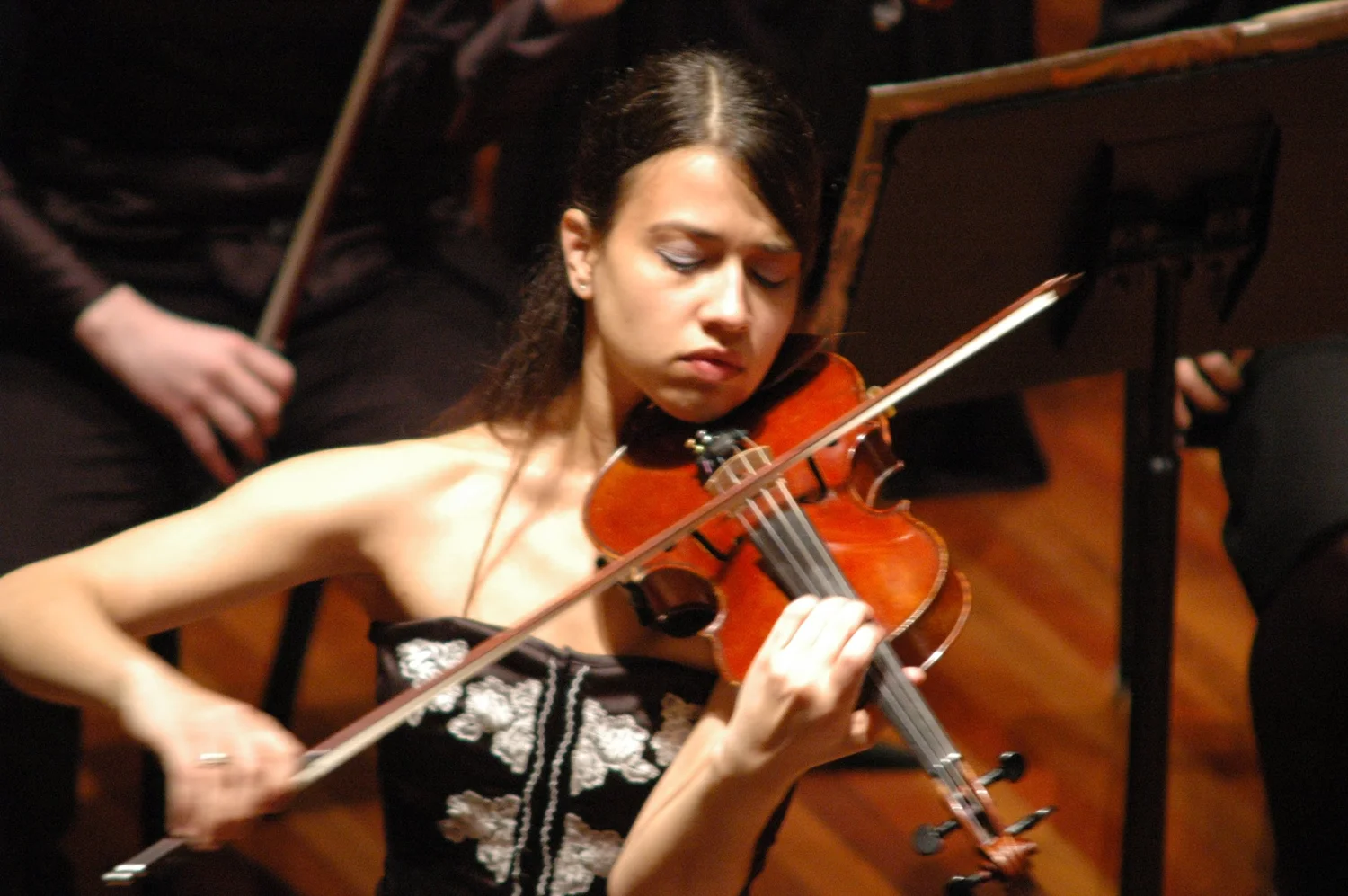
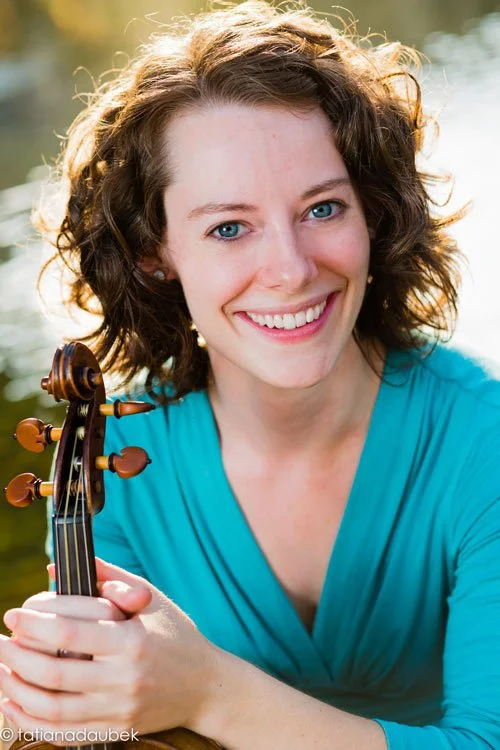
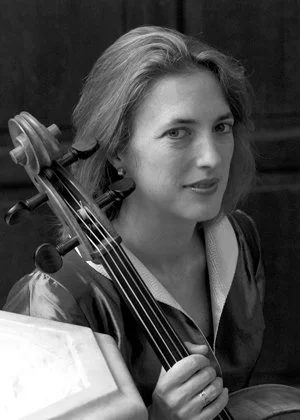
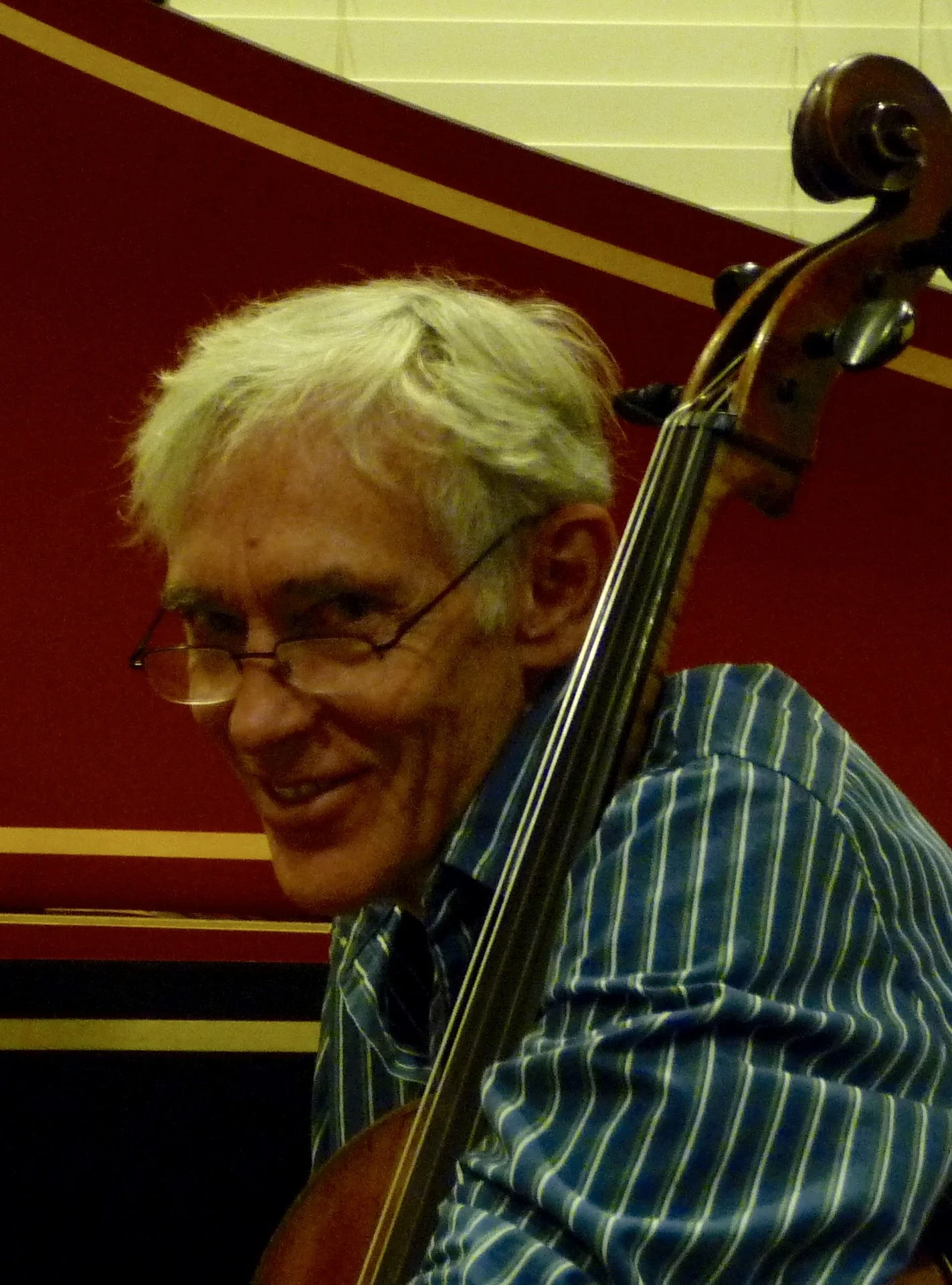
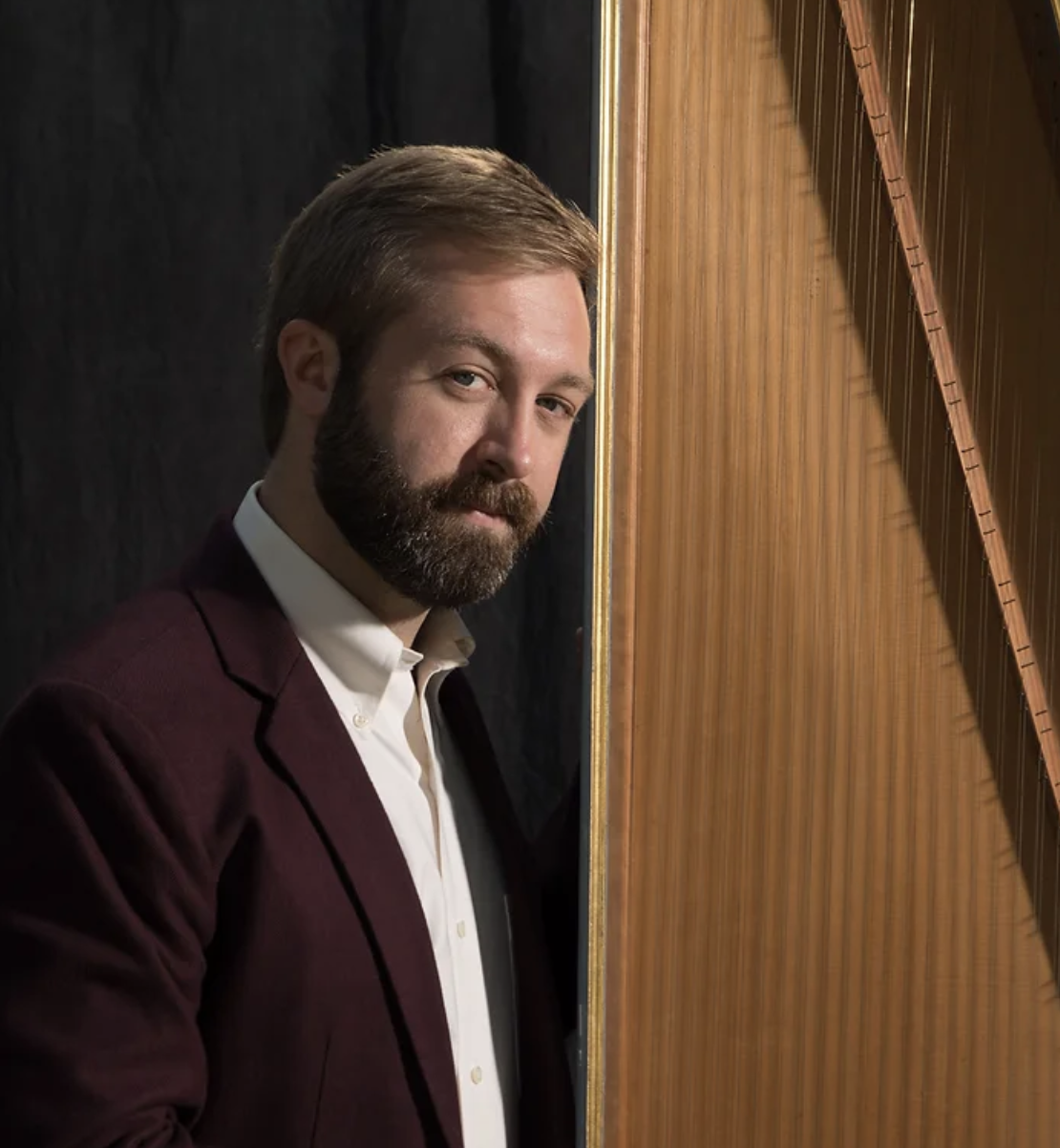
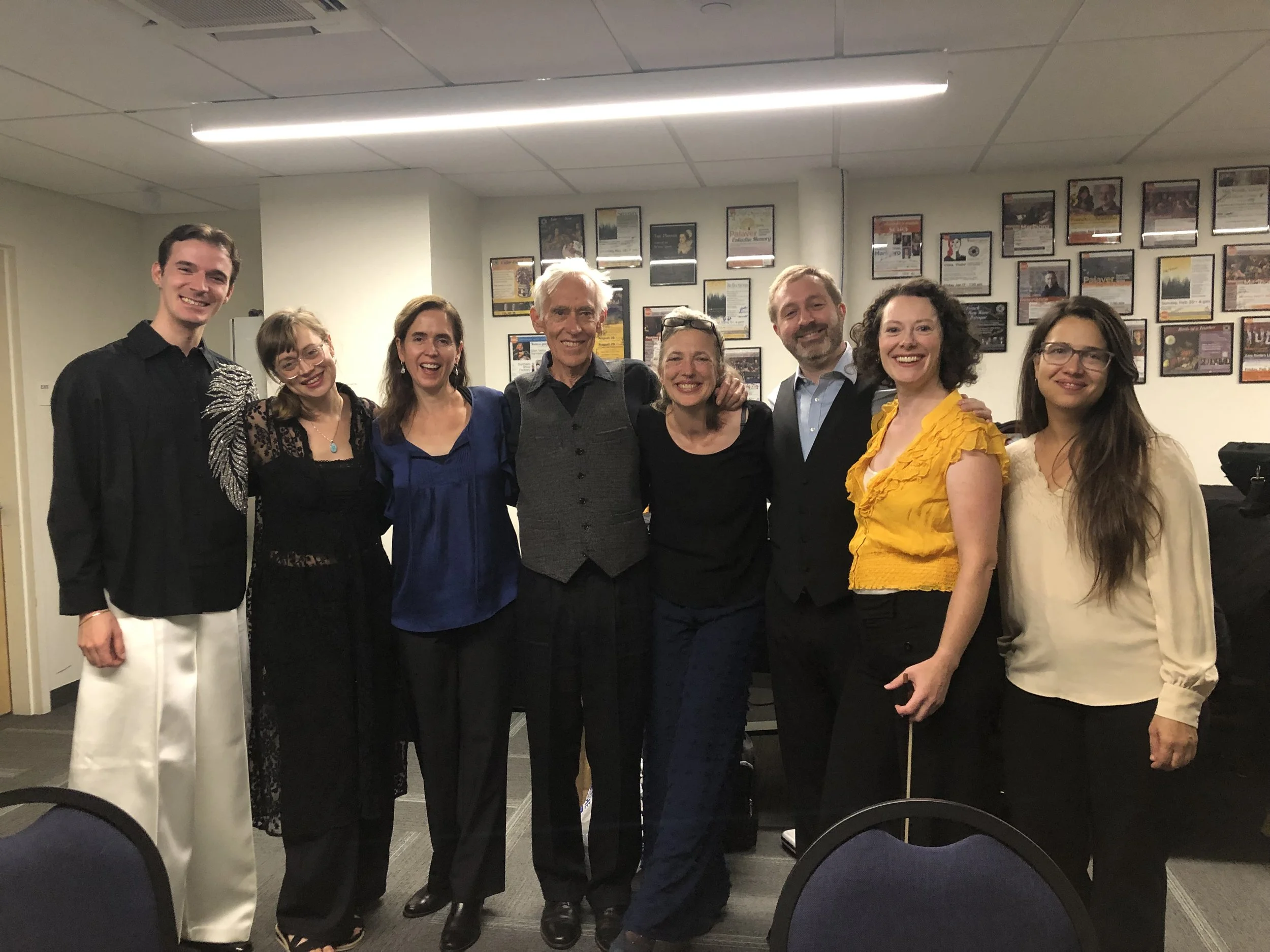
Sarasa musicians backstage at the Brattleboro Music Center:
Music Unlocked Updates:

Sarasa brought excerpts of the Schrank II ~ Cabinet II program to incarcerated youth at the Leahy Detention for girls and Sharp Transition for guys in Worcester, MA. The small group of girls latched on to Richard’s incredible singing with wonder in their eyes, and they showed true delight in their faces when they applauded him. One of the girls, Sahara, had all sorts of questions on how to produce such a powerful sound, and wondered if you had to eat special food and exercise regularly to do so! In the boys program, it was especially apparent how the most shy among them found confidence when he got up to conduct Sarasa in one of the Pisendel dances. Each teen’s character shone through their conducting style and made the music their own. The atmosphere was palpably joyful and supportive. When they stood up to conduct, they found they could direct the flow of the music, feeling empowered as a result. One played some blues on a guitar for us with his peers cheering him on; another played open strings on Jennifer's cello, and another played some chords on the keyboard, joining in with the Sarasa musicians in one of the pieces. In response to Richard's singing, one simply said, “That was fire!"
Harvest Time!
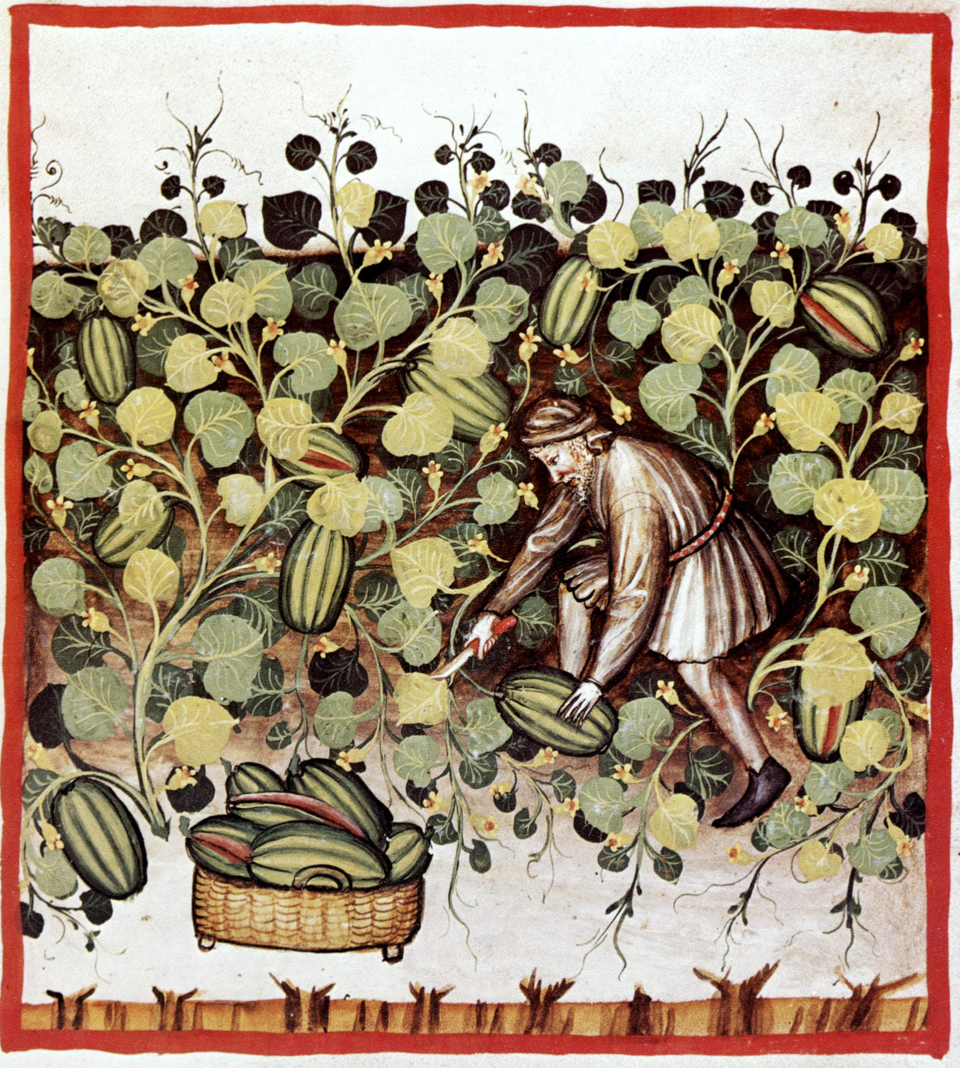
Melones dulces (Sweet Melons) Illustration of harvesting striped watermelons fromTacuinum Sanitatis, 14th century
Well-being in the middle ages:
As we head into Autumn’s shorter days with daylight diminishing quickly in the Northern Hemisphere, one might be intrigued by this medieval manual on how one maintains well-being throughout the seasons.
Did you know? There are Six Essential Elements for well-being, as outlined in Tacuinum Sanitatis (written by Ibn Butlan of Bagdad in the 11th century, which was translated, copied and illustrated numerous times in the 14th & 15th centuries by European scribes).
“The treatment of air, which concerns the heart.” (get plenty of fresh air!)
“The right use of foods and drinks.” (moderation!)
“The correct use of movement and rest.” (striking a balance between activity and rest)
“The problem of prohibiting excessive wakefulness.” (finding a balance of sleep and wakefulness)
“The correct use of elimination and retention of humors.” (promoting a balanced body with its four main characteristics ~ phlegmatic, sanguine, choleric, melancholic)
“The regulating of the person by moderating joy, anger, fear, and distress.” (keeping a balance in one's various states of mind)
Up next:
The weekend of November 13-15, Sarasa Music travels to the Nordic Circle in a wonderfully diverse program highlighting early Baroque works found in Sweden’s Uppsala Library, a recently rediscovered work by 17th-century Swedish poet and composer, Johanna Eleonora De la Gardie, gorgeous instrumental and vocal works by Norway’s Edvard Grieg, a string quartet by Finland’s very own Mozart, Erik Tulindberg, and the lasting, popular appeal of ABBA and Iceland’s singular Björk! There is definitely something for everyone in this delicious smorgasbord of musical offerings! With Sarasa favourites, stars Carley DeFranco, soprano and Krista River, mezzo soprano.
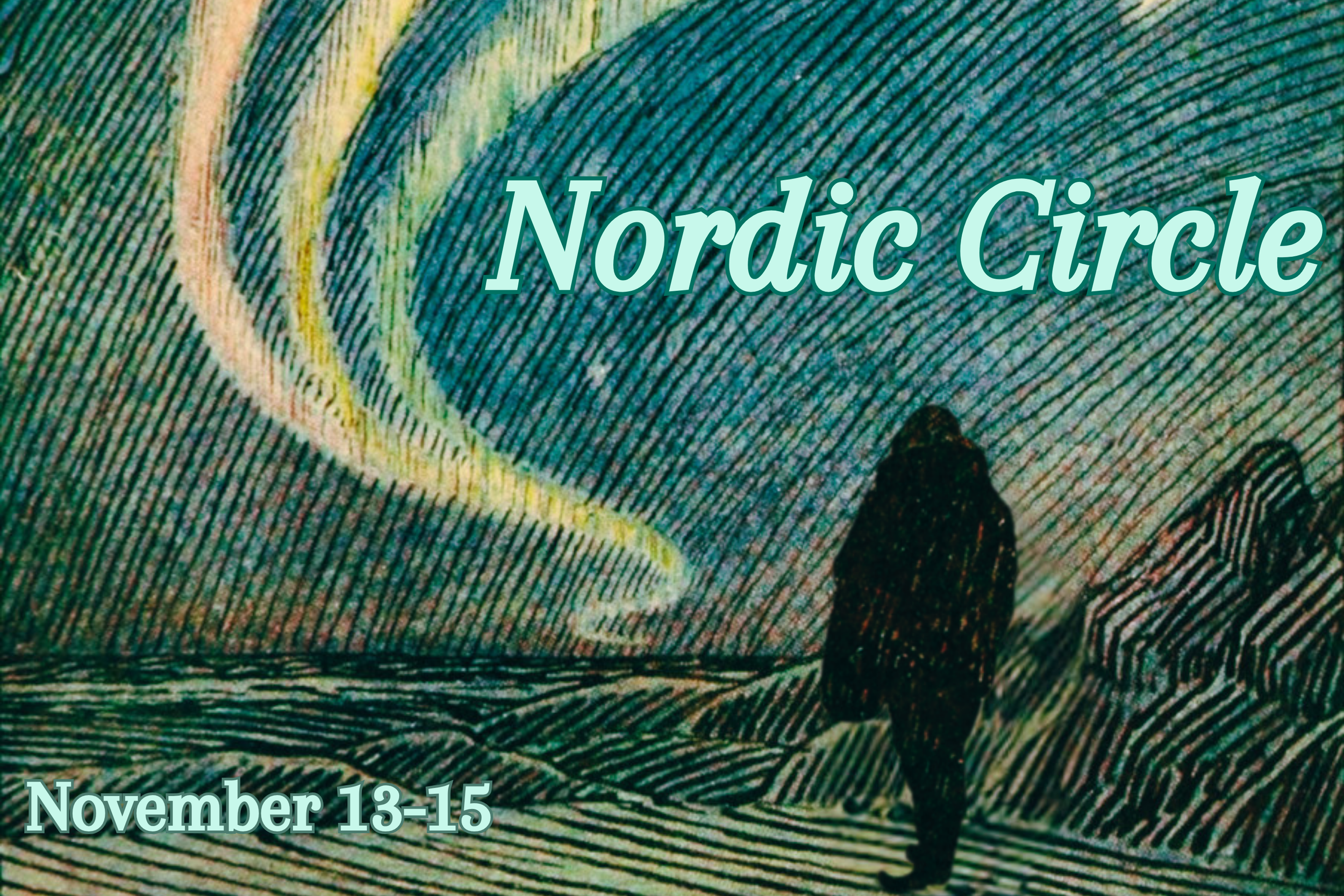
Friday, November 13, 2026 at 7pm at Brattleboro Music Center, Brattleboro VT (tickets at bmcvt.org)
Saturday, November 14, 2026 at 7pm at Friends Meeting House, Cambridge MA
Sunday, November 15, 2026 at 3:30pm at Follen Church, Lexington MA
A fascinating selection of music from Scandinavian nations spanning the early Baroque to the present day, including works by Capricornicus, Strungk, Grieg, Tulindberg, ABBA and more!
With Carley DeFranco, soprano; Krista River, mezzo soprano; Megumi Stohs Lewis, Joy Grimes, violins; Anna Griffis, viola; Jennifer Morsches, Timothy Merton, cellos; Dušan Balarin, theorbo/guitar; Michael Beattie, organ
Listening corner:

Solveig’s Song is from Edvard Grieg's incidental music to Henrik Ibsen’s 1867 play, Peer Gynt. Grieg created one of the most famous musical scores for trolls of the underworld in his incidental music. Did you ever collect one of these “good luck” trolls growing up?
Movie Buffs:
Swedish screen idol Ingrid Bergman at her most magical!
reading corner:
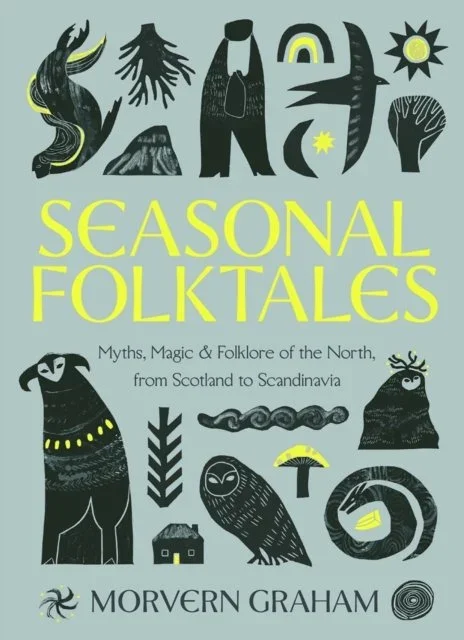
In this retelling of classical Nordic folktales, awaken your mind with wild, child-like wonder, and reconnect with the natural rhythms of the shifting seasons!
Recipe Corner:
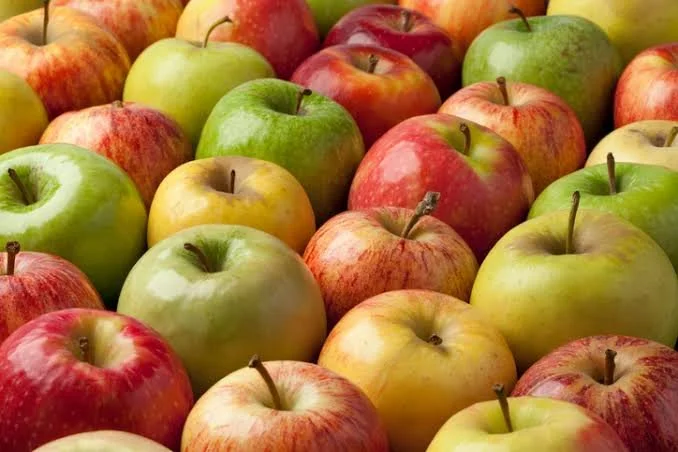
In celebration of apple season, here is a wonderful Danish apple pudding/pancake recipe! Special pan required...
Æbleskiver ~ little Danish spherical apple puddings
(Makes about 20)
2 eggs
1.5 cups flour
1 tsp. baking powder
1 – 1.5 cups buttermilk
1 Tbsp. sugar
1 tsp. vanilla extract
lemon zest (optional)
1/2 tsp. ground cardamon (optional)
1/2 tsp. cinnamon
1 apple
2 wooden skewers (or knitting needles!)
Cut an apple into small slices/chuncks, and sprinkle with some sugar and cinnamon.
Mix eggs, baking powder, flour & 1 cup buttermilk together.
Add sugar and vanilla
Add lemon zest and ground cardamon (if using).
Mix well, and add additional buttermilk (or cream!) as needed.
The dough mix should be thick, but easy to pour from a jug.
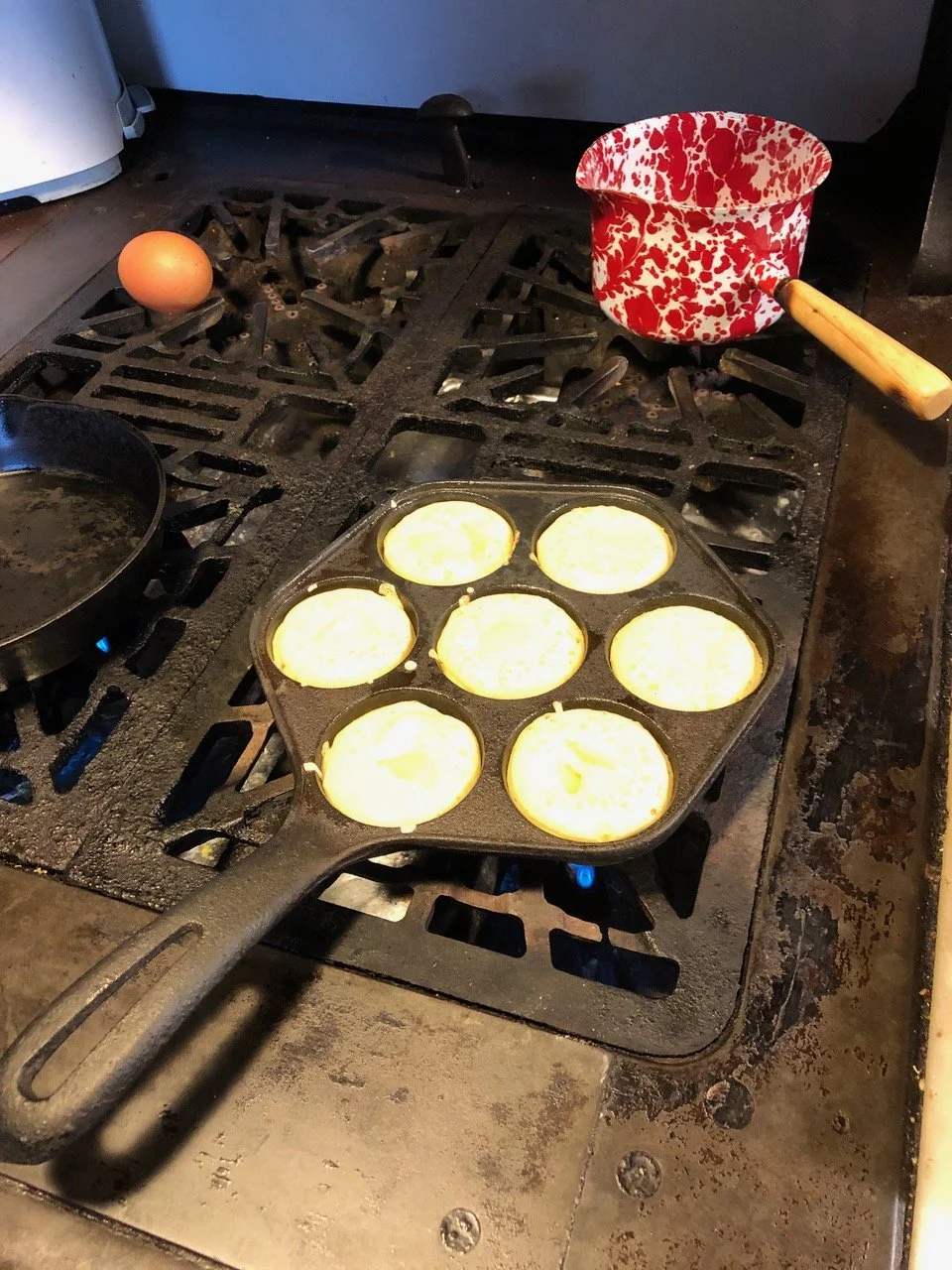
Warm the Æbleskiver pan for a couple of minutes on high heat.
Grease the spheres with butter.
Once it is hot, turn the heat down to medium.
Fill the holes 3/4 full with batter
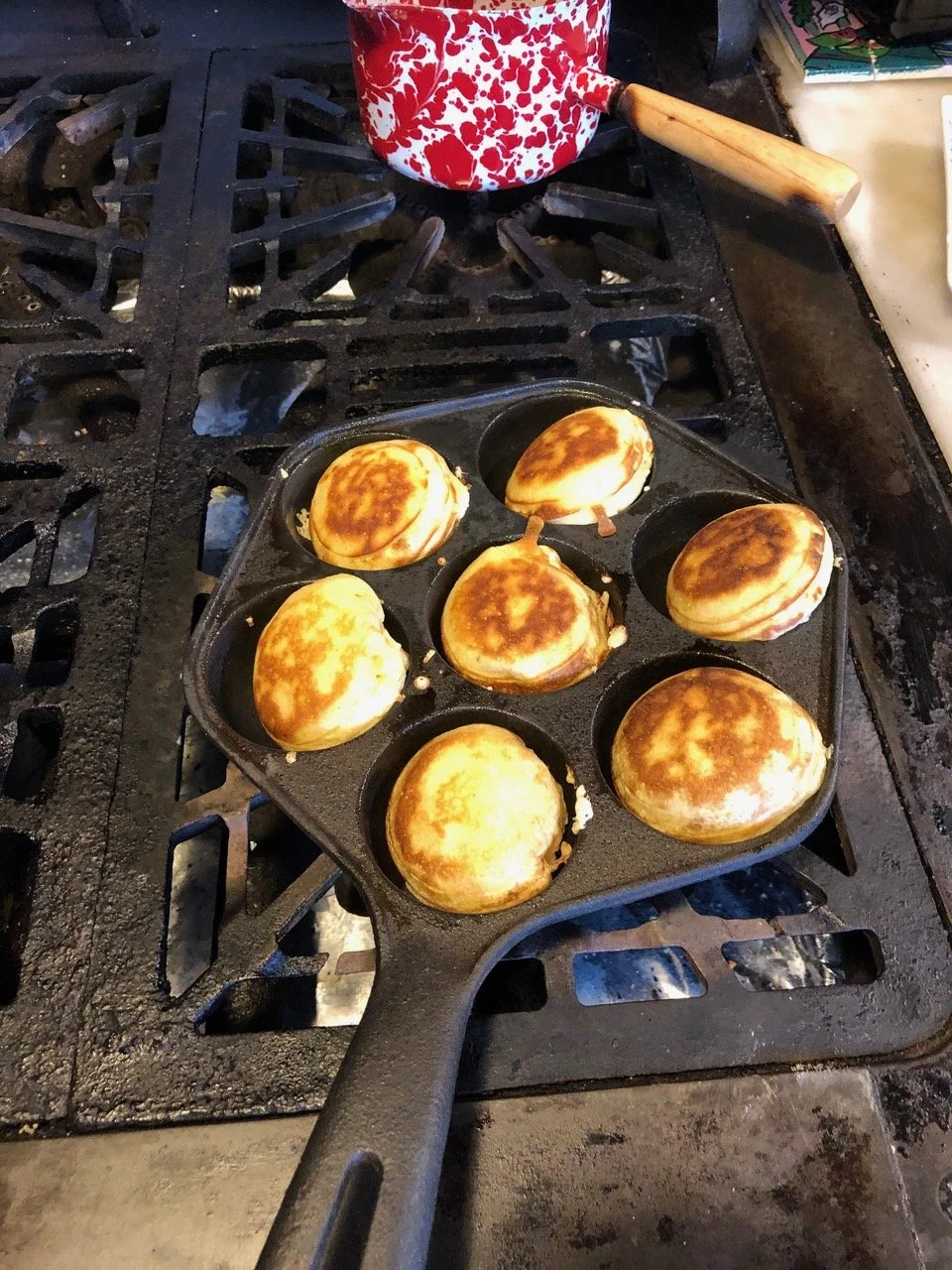
Once the dough is starting to set on the sides, take the skewers and carefully push the Æbleskive a quarter turn.
Drop in a few apples chunks in each sphere.
Every time the sides of the dough set, turn it another quarter.
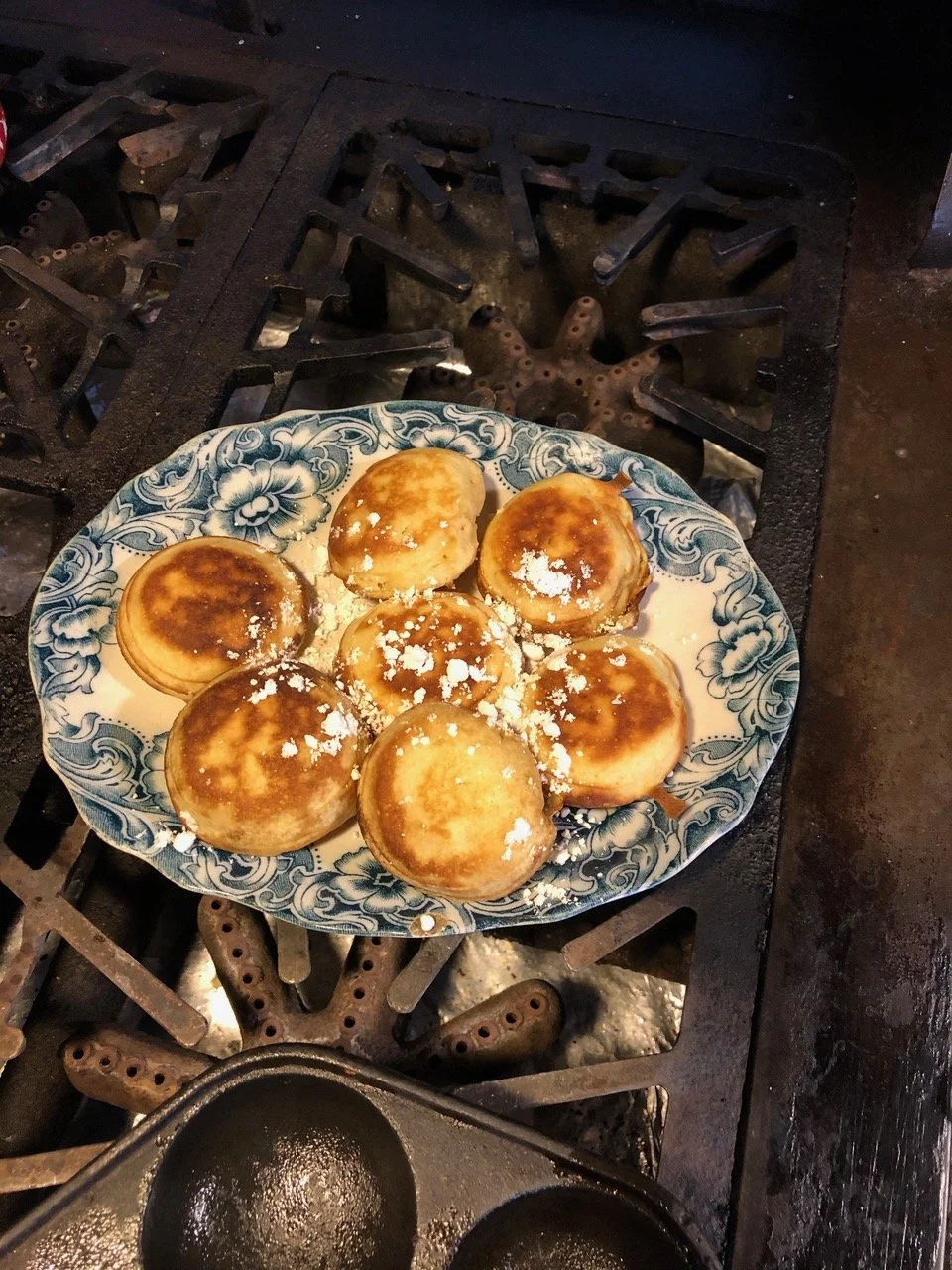
Once they are ready, use the skewers to pick the Æbleskive up and place on a plate.
Dust with powdered sugar on top, and serve!
{Note: you can also fill these little pancakes with jam of your choice.]

Mutts, by Patrick McDonnell